Roof damage letting rain into the attic and ceilings
We tarp the roof the same day, extract water from the attic and ceilings, and dry the framing with air movers and dehumidifiers. Once dry, we repair the decking, insulation and drywall.
When a storm tears off shingles, drives rain through a window or pushes surge water under your door, storm damage restoration in Florida has to start the same day. We tarp, extract, dry and document the loss so your claim moves and your home dries out. From Port St. Lucie to Sarasota, our crews handle hurricane, tropical storm and severe thunderstorm damage for homeowners, landlords and property managers.
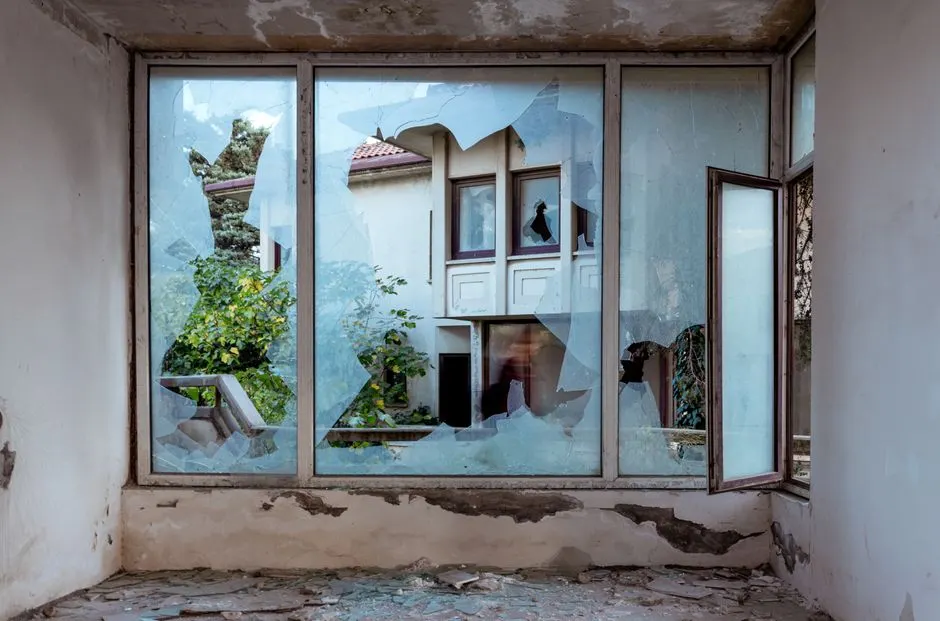
Storm damage restoration in Florida is the process of securing a storm-damaged structure, removing water and debris, drying the building to a verified standard, and repairing what the storm destroyed. It covers roof tarping, board-up, water extraction, structural drying, antimicrobial treatment and rebuild. A single hurricane can push rain through a failed roof deck, flood a slab-on-grade home and leave insulation soaked for weeks.
Florida gets hit from every direction. Gulf hurricanes, Atlantic landfalls, afternoon thunderstorms that drop two inches in an hour, and tornado spin-ups that peel back metal roofs. In Port St. Lucie and Homestead, wind-driven rain finds the same weak points every season: ridge vents, garage doors and sliding glass doors. If you search for storm damage restoration near me after a named storm, you want a crew that can tarp tonight and start drying tomorrow morning.
Every storm job starts with emergency stabilization and ends with a repaired, dry structure. The scope below is what we handle in-house. If your loss needs a specialty trade we do not carry, we tell you upfront and coordinate the schedule so nothing sits wet while you wait.
We cover damaged roof sections with heavy tarps and board broken windows and doors with plywood. This stops water intrusion immediately and protects the interior until permanent repairs are scheduled.
Truck-mounted extraction units and sump pumps pull standing water out of rooms, garages and crawl spaces. We remove saturated carpet padding and check hardwood flooring with a moisture meter before deciding what can be dried in place.
Air movers and dehumidifiers run until the structure hits dry standard. We check daily with a hygrometer and thermal imaging camera, and you get a drying report with the readings for your insurance file.
Wet drywall, insulation and framing get treated with antimicrobial spray. If mold has already started, our Florida Mold-Related Services License (MRSA) covers the remediation work, including containment and HEPA vacuuming.
We haul storm debris, replace damaged drywall, insulation, baseboards and flooring, and repair roof decking. Paint and trim finish the job so the room looks like the storm never happened.
You call, we ask what hit you and what is wet. Roof, windows, garage, first floor? We dispatch the closest crew and give you a realistic arrival window. While you wait, we tell you how to shut off the water if a supply line broke and how to move furniture off wet carpet.
The crew arrives with tarps, plywood, ladders and a water extraction unit. We cover the damaged roof sections, board broken windows and doors, and stop any active water intrusion. This usually takes two to four hours on a typical single-family home and prevents the next rain band from making things worse.
Standing water comes out first. We use truck-mounted and portable extraction units, plus a sump pump for deeper flooding. Carpet padding gets pulled and discarded because it never dries fast enough to save. Hardwood flooring gets checked with a moisture meter before we decide whether it can be dried in place.
We set air movers and dehumidifiers based on the size of the wet area, not a guess. A thermal imaging camera and hygrometer tell us where the moisture is hiding inside walls and ceilings. Drying typically runs three to five days, and we monitor readings daily until the structure hits dry standard.
Once the structure is dry, we repair what the storm broke: roof decking, drywall, insulation, baseboards, paint and flooring. You get a final walkthrough with the drying report, the photo documentation and the warranty paperwork. We do not call the job done until you have walked it with us.
Purpose-built equipment, used by trained technicians — so the job is done accurately the first time.
We use these to measure moisture content in drywall, wood and air. They tell us where the water went and when the structure is actually dry, not just dry to the touch.
Infrared imaging shows temperature differences that reveal hidden moisture behind walls and ceilings. It finds the wet spots a visual inspection misses.
We position Dri-Eaz and Phoenix Restoration Equipment air movers and dehumidifiers based on the size of the wet area. They pull moisture out of materials and the air until readings hit dry standard.
Truck-mounted extraction units pull water out of carpet and hard surfaces fast. Sump pumps handle deeper flooding in basements, garages and crawl spaces.
A boroscope lets us look inside wall cavities without tearing them open. The infrared thermometer checks surface temperatures to confirm drying progress.
After extraction and drying, these remove odors and capture fine particles. We use them on storm losses where water sat long enough to leave a smell.
A hurricane peeled back shingles over the master bedroom and rain poured in for two hours. The ceiling was sagging, insulation was soaked and water had reached the carpet. The homeowner had already filed a claim but no one had tarped the roof.
We tarped the roof the same night, extracted 40 gallons of water, removed the wet insulation and dried the ceiling framing in four days. The rebuild replaced the decking, insulation, drywall and carpet. Final moisture readings were within dry standard.
Storm surge pushed six inches of water into a ground-floor rental unit. Carpet, padding and the bottom two feet of drywall were saturated, and the water had a sewage smell from the overwhelmed storm drain.
We extracted the water, removed the contaminated carpet and drywall, treated the framing with antimicrobial spray, and dried the unit in five days. The rebuild replaced drywall, baseboards, paint and flooring. The unit was rented again in three weeks.
A severe thunderstorm dropped a large oak limb through the roof over a home office. Rain soaked the attic insulation and dripped through the ceiling onto a hardwood floor. The homeowner called us before calling a roofer.
We boarded and tarped the opening within three hours, extracted the water, dried the attic framing and ceiling in three days, and repaired the roof decking, insulation and drywall. The hardwood floor was dried in place and refinished.
Storm damage is rarely just one problem. A missing shingle becomes a wet ceiling, a wet ceiling becomes a moldy attic, and a moldy attic becomes a claim denial. We break that chain on day one.
Ask a pro →We tarp the roof the same day, extract water from the attic and ceilings, and dry the framing with air movers and dehumidifiers. Once dry, we repair the decking, insulation and drywall.
We extract the water, remove unsalvageable materials, treat the structure with antimicrobial spray, and dry it with desiccant dehumidification. Then we rebuild the flooded rooms.
We use a moisture meter and thermal imaging camera to map the intrusion, dry the wall cavities with directed air, and repair the flooring and drywall once readings hit dry standard.
We pump the crawl space, dry it with dehumidification, replace the vapor barrier and treat the framing. We can also install a battery backup sump pump so the next storm does not flood it again.
Most residential storm jobs in Florida run $2,500 to $12,000, with emergency tarping and water extraction on the low end and full roof, drywall and flooring rebuilds on the high end. Drying equipment alone typically adds $1,200 to $3,500 for a three-to-five-day dry. Your insurance deductible and coverage decide what you actually pay out of pocket.
Storm damage repair in Florida is the physical work of putting a storm-damaged home back together: tarping the roof, extracting water, drying the structure, removing wet drywall and insulation, treating for mold, and rebuilding. It is different from water damage restoration because the loss starts with wind, hail or surge rather than a plumbing failure.
Yes, most Florida homeowners policies cover sudden storm damage, including wind, hail and hurricane losses, minus your deductible. Flood and storm surge damage usually requires a separate flood policy. We document the loss with moisture readings, thermal images and photos so your adjuster can process the claim without a second visit.
Call your carrier, report the loss, and get a claim number before you throw anything away. Then call us. We tarp and dry to stop further damage, photograph everything, and build an Xactimate scope your adjuster can match. Florida law gives you a deadline to report, so file within days, not weeks.
We deliver storm damage restoration across Florida, from the Treasure Coast to the Space Coast and the Gulf beaches. Our crews stage equipment regionally so we can reach most of the state within hours of a storm. If you need Florida storm damage restoration services after a named storm or a summer squall, we cover your area.
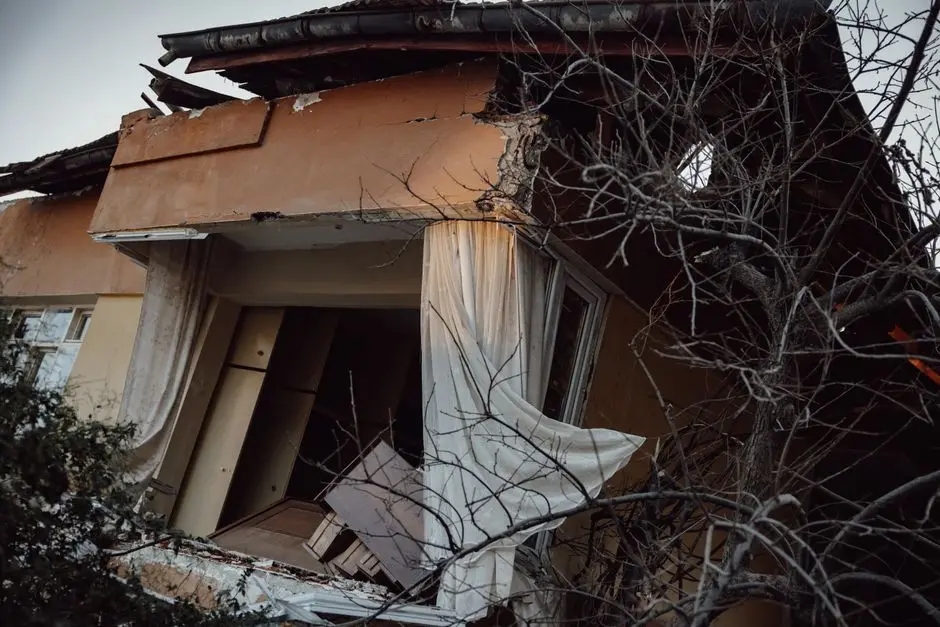 Water Damage RestorationStorm water that gets inside a Florida home behaves like any other water loss. We extract, dry and repair the structure to the same standard, whether the water came through a roof or a burst pipe.Explore →
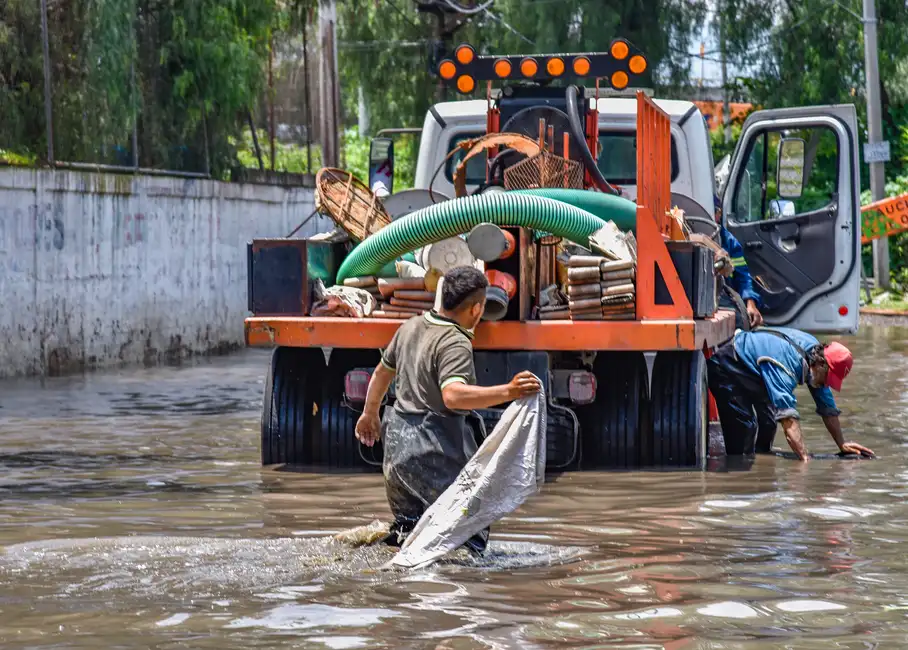 Emergency Water RemovalStanding water after a storm has to come out fast. Our emergency water removal crews use truck-mounted extraction units and sump pumps to clear flooded rooms the same day you call.Explore →
 Flood CleanupStorm surge and rising water leave mud, debris and contaminated water behind. Flood cleanup covers extraction, debris hauling, antimicrobial treatment and drying so your home is safe to live in again.Explore →
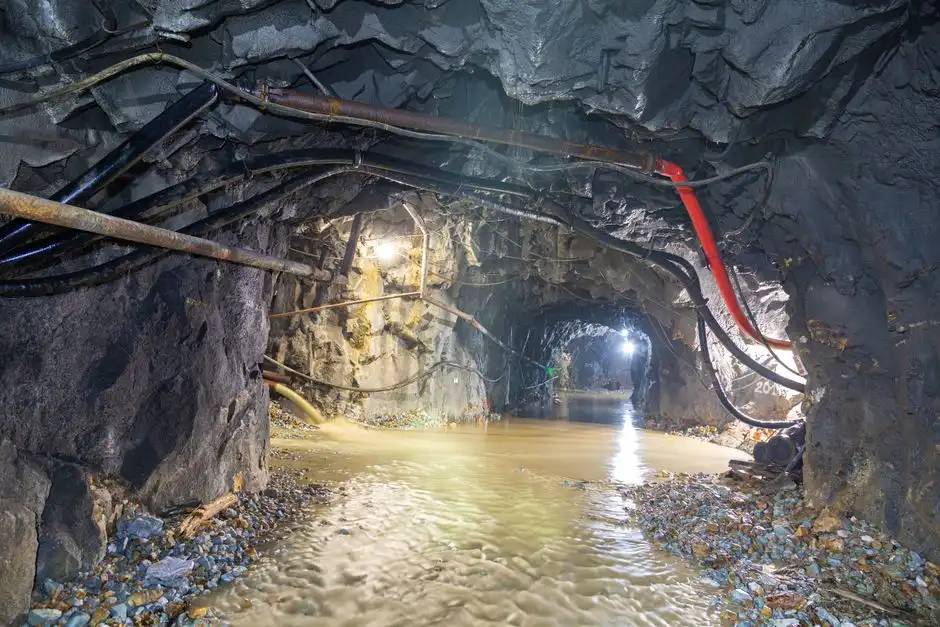 Water ExtractionWe pull water out of carpet, hardwood flooring and subfloor with extraction units and moisture meters. Getting the bulk water out fast is what makes the drying phase short instead of a two-week ordeal.Explore →
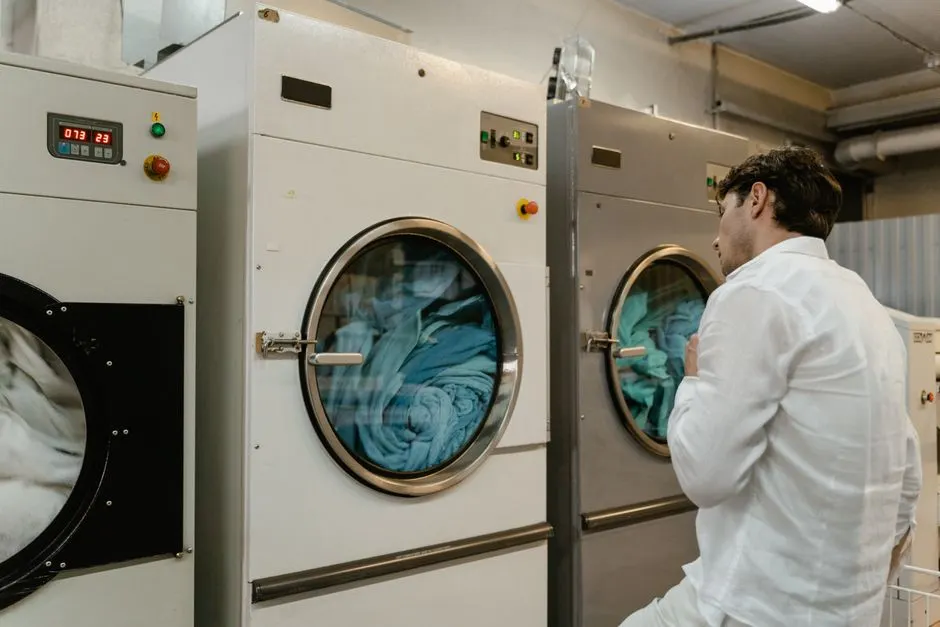 Drying and DehumidificationAir movers and dehumidifiers dry the structure after extraction. We monitor with a hygrometer and thermal imaging camera until the walls and floors hit dry standard, then we document it for your file.Explore →
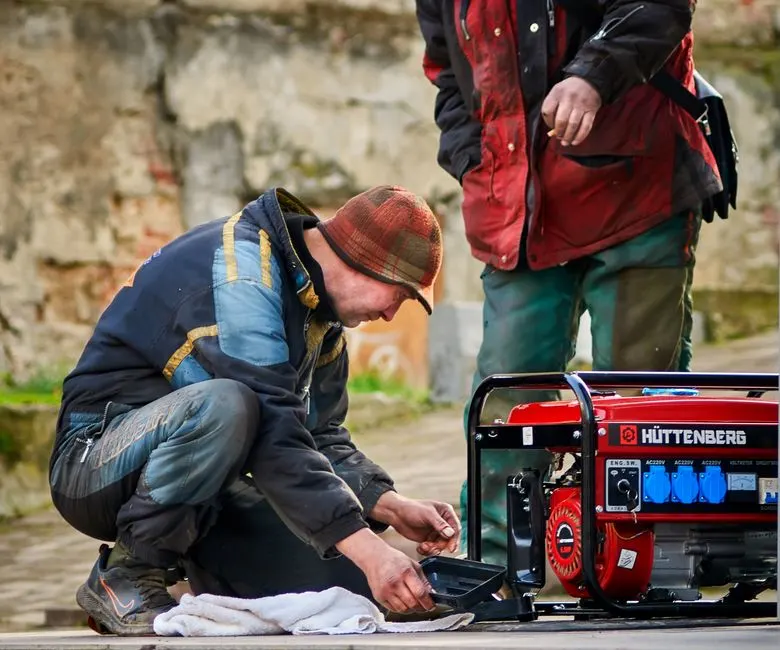 Sewage Backup CleanupStorms overwhelm municipal sewer lines and septic systems. Sewage backup cleanup removes contaminated water, disinfects with antimicrobial spray and replaces porous materials that cannot be saved.Explore →
 Hurricane Water Damage RestorationHurricane losses combine wind, rain and surge. We handle the full scope: tarping, board-up, water extraction, structural drying and rebuild, all documented for your hurricane claim.Explore →
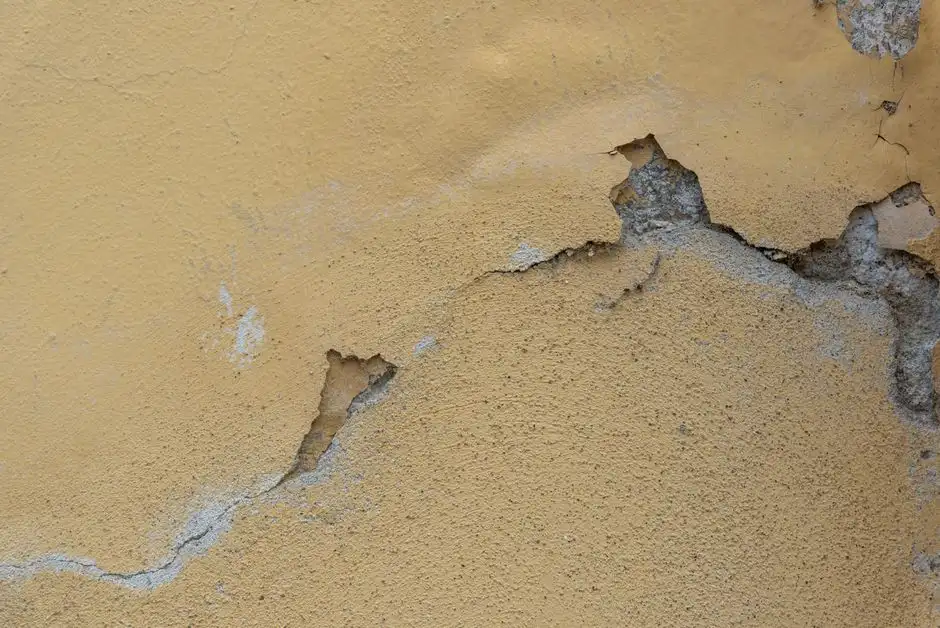 Basement Water Damage RepairFlorida homes with basements or below-grade garages flood fast in a storm. We extract, dry and repair foundation water damage, and we can install a battery backup sump pump for the next one.Explore →
We answer 24/7 and dispatch storm crews across Florida. Licensed, insured and bonded, with IICRC-certified technicians on every job. Call now and we will tarp, extract and start drying before the next rain band hits.
Call Now 0001112222 →Call 0001112222 and describe what is wet. We answer 24/7, including holidays, and dispatch a licensed, insured crew to your Florida address. If water is still running, shut off the main before you call so the damage stops spreading.