Standing water after heavy rain
We extract the water with a truck-mounted unit, remove saturated materials, and dry the space with air movers and a desiccant dehumidifier. We then check drainage and install a sump pump if groundwater is the cause.
Crawl Space Water Damage in Florida turns a vented, humid foundation into a rot-and-mold problem fast. We send IICRC-certified crews with moisture meters, thermal imaging cameras, and truck-mounted extraction units to pull standing water, dry the structure, and seal it against the next storm. From Pensacola to Boynton Beach, we handle emergency water removal and crawl space encapsulation Florida homeowners can count on. Call 0001112222.
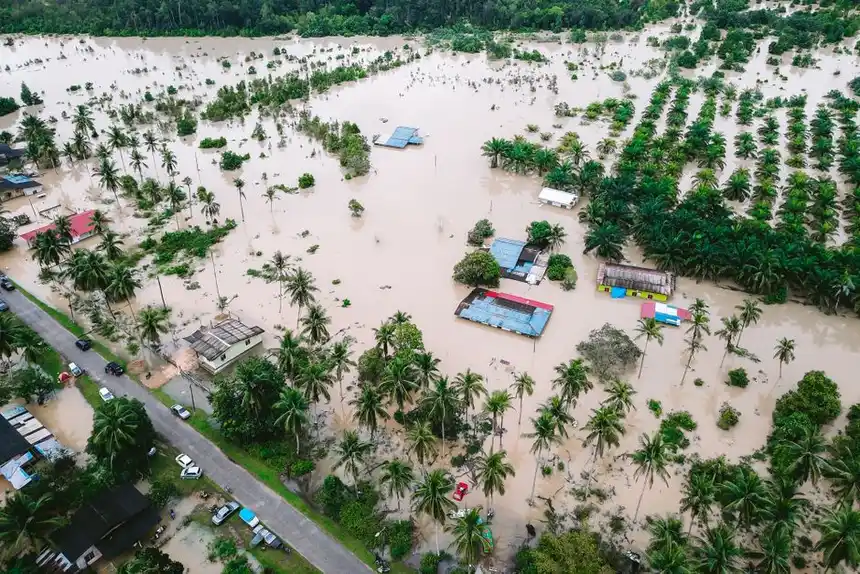
Crawl Space Water Damage in Florida is the intrusion of water or sustained high humidity into the shallow, vented foundation space beneath a home, causing wood rot, mold growth, and structural weakening. It happens when groundwater rises after heavy rain, when a supply line or drain pipe bursts under the floor, or when humid outside air condenses on cool joists and subfloor. Because most Florida crawl spaces sit 18 to 36 inches off the ground, a small leak can soak insulation and framing for weeks before anyone notices.
Florida's climate makes crawl space moisture control a year-round job, not a seasonal one. Summer dew points above 70 degrees push humid air through foundation vents, and afternoon thunderstorms dump two inches of rain in under an hour. Add sandy soil that drains poorly and a water table that rises in the wet season, and you get the classic call we run all summer: a homeowner in Spring Hill or Clearwater notices a musty smell, then finds sagging insulation and black staining on the joists.
Every crawl space water damage job includes a full inspection, water extraction, drying, and documentation. We also handle repairs and encapsulation when needed. Here is what you get when you hire us.
We crawl the entire space with a moisture meter, hygrometer, and thermal imaging camera. You get photos, moisture readings, and a written summary of what is wet and why.
We pull standing water with a truck-mounted water extraction unit and portable pumps. Saturated insulation, carpet padding, and unsalvageable drywall are removed and disposed of properly.
We set Dri-Eaz and Phoenix Restoration Equipment air movers and a Santa Fe desiccant dehumidifier sized to the space. Drying typically runs 3 to 5 days with daily moisture logs.
If mold is present, we apply antimicrobial spray, run HEPA vacuuming, and treat affected framing under our Florida Mold-Related Services License (MRSA). We document the remediation for your records.
We install a reinforced vapor barrier sealed to walls and piers, and add a sump pump with liner if groundwater is an issue. We test the pump and show you how to check it.
We photograph everything, log moisture readings, and build an Xactimate scope your adjuster can process. You get a complete report of what was wet, what we removed, and what we dried.
Call 0001112222 and we dispatch a crew, typically within 60 to 90 minutes for emergencies. We ask what you are seeing, whether the water is still rising, and whether you have power to the affected area. You get a real person, not a call center.
A technician crawls the space with a moisture meter, hygrometer, and thermal imaging camera. We map wet zones, check joists and subfloor with a boroscope, and test the air for elevated humidity. You get photos and readings before we touch anything.
We pull standing water with a truck-mounted water extraction unit and portable pumps, then remove saturated insulation, carpet padding, and any unsalvageable drywall. A sump pump or temporary transfer pump keeps the space dry while we work.
We set Dri-Eaz and Phoenix Restoration Equipment air movers and a Santa Fe desiccant dehumidifier sized to the cubic footage. Drying typically runs 3 to 5 days. We log moisture readings daily and adjust equipment until framing hits target dryness.
Once dry, we replace damaged insulation, treat framing with antimicrobial spray, and install a reinforced vapor barrier sealed to the walls and piers. We test the sump pump, set a water detection alarm if you want one, and walk you through the finished space.
Purpose-built equipment, used by trained technicians — so the job is done accurately the first time.
We use these to measure moisture content in wood and relative humidity in the air. They tell us exactly how wet the space is and when drying is complete.
Thermal imaging reveals hidden moisture behind insulation and in framing without tearing anything out. We use it to map wet zones during inspection.
A boroscope lets us see inside wall cavities and under subfloor without cutting. We use it to check for hidden leaks and mold.
This pulls standing water out of the crawl space fast. It handles large volumes and gets the space dry enough for structural drying.
We position these to circulate air across wet surfaces. They speed evaporation and work with dehumidifiers to dry the space in 3 to 5 days.
This removes moisture from the air even in cool conditions. It is essential for drying crawl spaces in Florida's humid climate.
We use HEPA vacuums to remove mold spores and debris after remediation. They trap particles that would otherwise spread through the house.
A 1,400-square-foot crawl space in Spring Hill had 3 inches of standing water after a week of rain. Insulation was soaked, and the joists showed early mold growth. The homeowner noticed a musty smell upstairs.
We extracted 40 gallons of water, removed saturated insulation, and dried the space in 4 days. Moisture readings dropped from 28 percent to 12 percent. We treated the joists with antimicrobial spray and installed a new vapor barrier.
A Clearwater home had black mold on 60 percent of the crawl space joists. The space had been damp for months due to a slow pipe leak. The homeowner had allergies and wanted it fixed fast.
We fixed the leak, treated the mold with antimicrobial spray, and ran HEPA vacuuming. After drying, we encapsulated the space with a reinforced vapor barrier. Post-remediation testing confirmed no mold spores.
Hurricane storm surge flooded a crawl space in Boynton Beach with 6 inches of saltwater. The space was contaminated, and the homeowner's flood insurance claim needed documentation.
We pumped out the water, removed contaminated materials, and treated the space with antimicrobial spray. We dried the structure in 5 days and installed a flood barrier and sump pump. Our Xactimate report supported the claim.
Crawl space water damage in Florida homes shows up in predictable ways. Here are the problems we see most and how we fix them.
Ask a pro →We extract the water with a truck-mounted unit, remove saturated materials, and dry the space with air movers and a desiccant dehumidifier. We then check drainage and install a sump pump if groundwater is the cause.
We measure humidity with a hygrometer, find the moisture source, and dry the space to target levels. Then we seal foundation vents and install a vapor barrier to keep humidity out year-round.
We treat affected areas with antimicrobial spray, run HEPA vacuuming, and remediate under our Florida Mold-Related Services License (MRSA). We document everything and replace any wood that is too far gone.
We inspect the framing with a boroscope, dry the structure, and replace damaged joists or subfloor. We then install a vapor barrier and sump pump to prevent the problem from returning.
Most crawl space water damage repairs in Florida run $1,800 to $6,500, with simple extraction and drying at the low end and full encapsulation with mold remediation at the high end. Emergency water removal alone typically costs $500 to $1,500. Factors include square footage, how long the water sat, whether mold is present, and whether insulation or ductwork needs replacement. We provide a written scope before starting.
Crawl space encapsulation in Florida is sealing the foundation vents and lining the floor, walls, and piers with a reinforced vapor barrier to block humid outside air and groundwater vapor. We seal seams and penetrations, install a sump pump and liner if needed, and often add a dehumidifier. Encapsulation keeps the space below 60 percent relative humidity, which stops condensation on joists and prevents wood rot.
Prevent crawl space water damage in Florida by sealing foundation vents, installing a vapor barrier, grading soil away from the foundation, and keeping gutters and downspouts discharging at least 6 feet from the house. Add a battery backup sump pump and a water detection alarm for peace of mind during storms. Check the space after every heavy rain and look for musty odors, sagging insulation, or standing water.
Insurance usually covers sudden crawl space water damage in Florida, like a burst pipe or appliance failure, but not gradual leaks or flooding. Flood damage requires a separate NFIP or private flood policy. We document everything with photos, moisture readings, and an Xactimate scope to support your claim. Call your adjuster first, then call us at 0001112222 and we will work with them.
We provide crawl space water damage services across Florida, from the panhandle to the southeast coast. Our crews are stationed to respond quickly in Pensacola, Spring Hill, Clearwater, Alafaya, Boynton Beach, Delray Beach, Palm Beach Gardens, Kendale Lakes, Clermont, and Meadow Woods. Whether you need emergency extraction or crawl space encapsulation Florida homeowners trust, we have you covered.
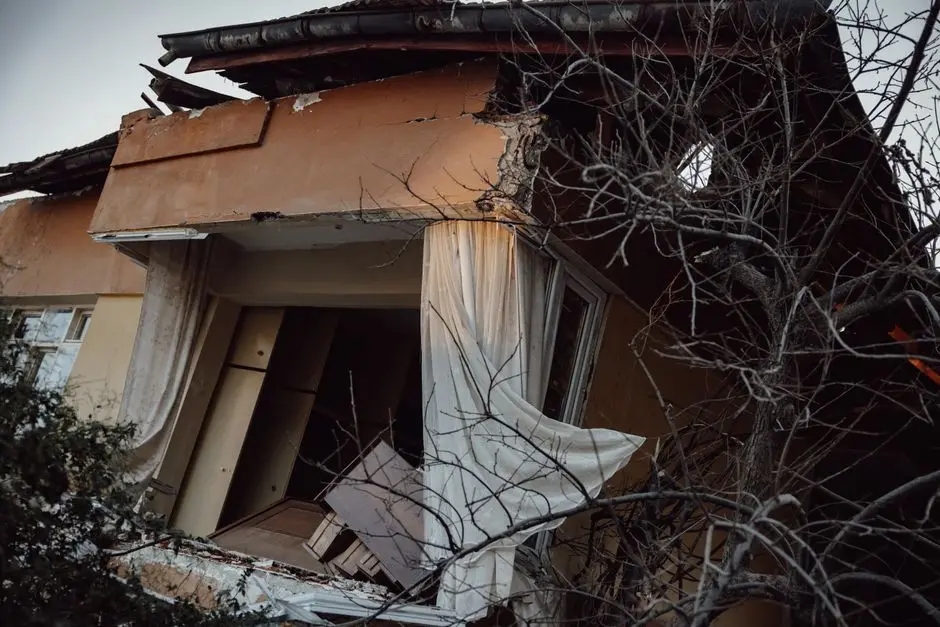 Water Damage RestorationFull-service water damage restoration for Florida homes, from emergency extraction to structural drying and repairs. We handle the entire scope so you are not coordinating multiple contractors.Explore →
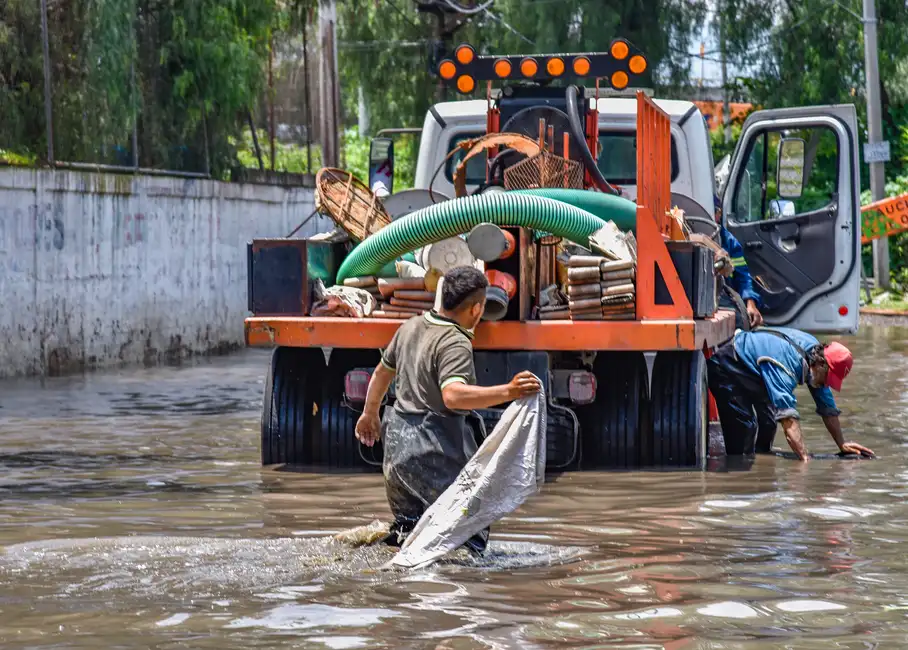 Emergency Water Removal24/7 emergency water removal for burst pipes, appliance leaks, and storm flooding. We extract standing water fast to limit damage to floors, walls, and foundations.Explore →
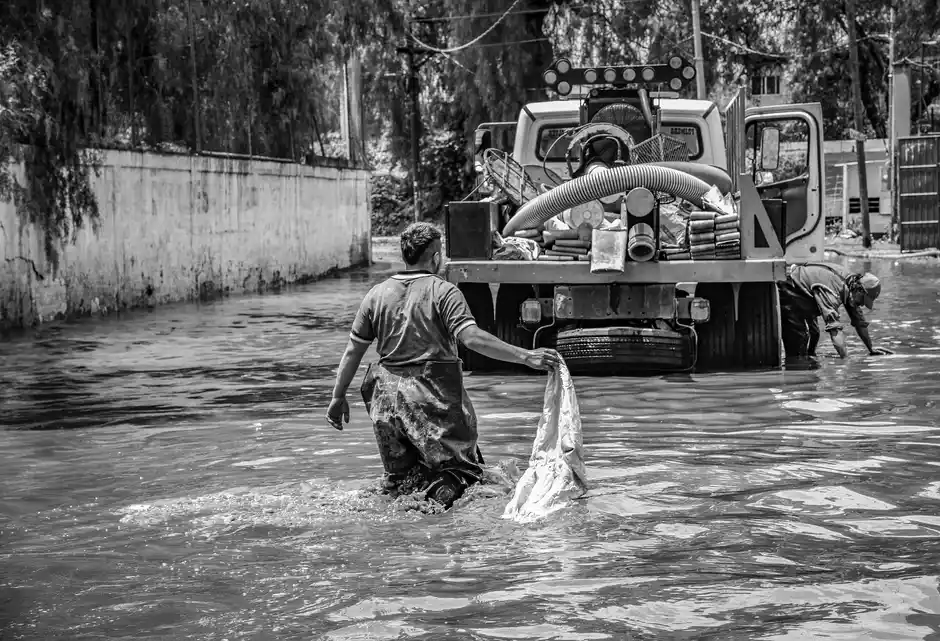 Flood CleanupFlood cleanup for Florida homes after storms and storm surge. We remove contaminated water, sanitize affected areas, and dry the structure to prevent mold.Explore →
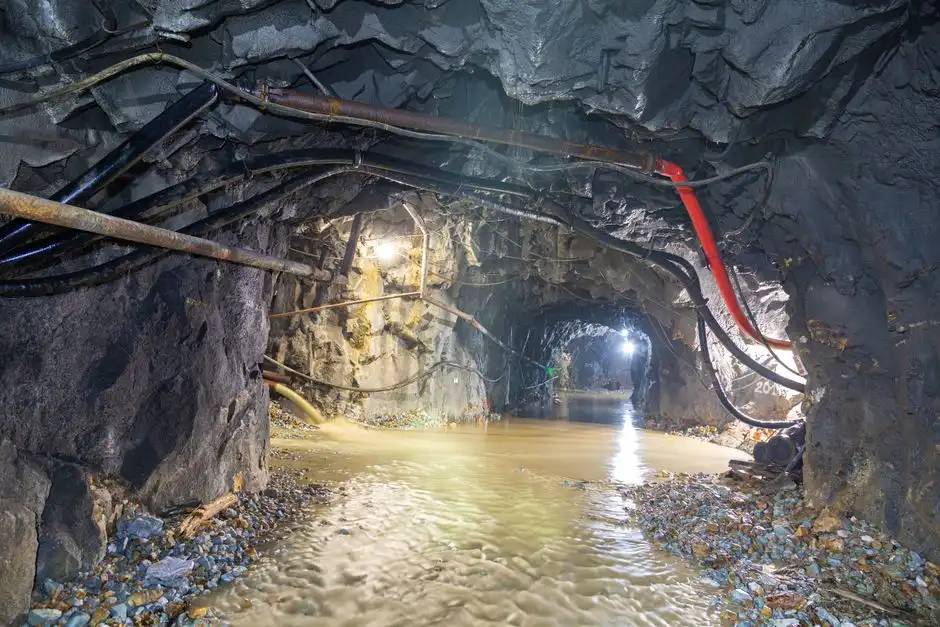 Water ExtractionTruck-mounted and portable water extraction for carpets, hardwood, and crawl spaces. We pull water fast and set drying equipment the same day.Explore →
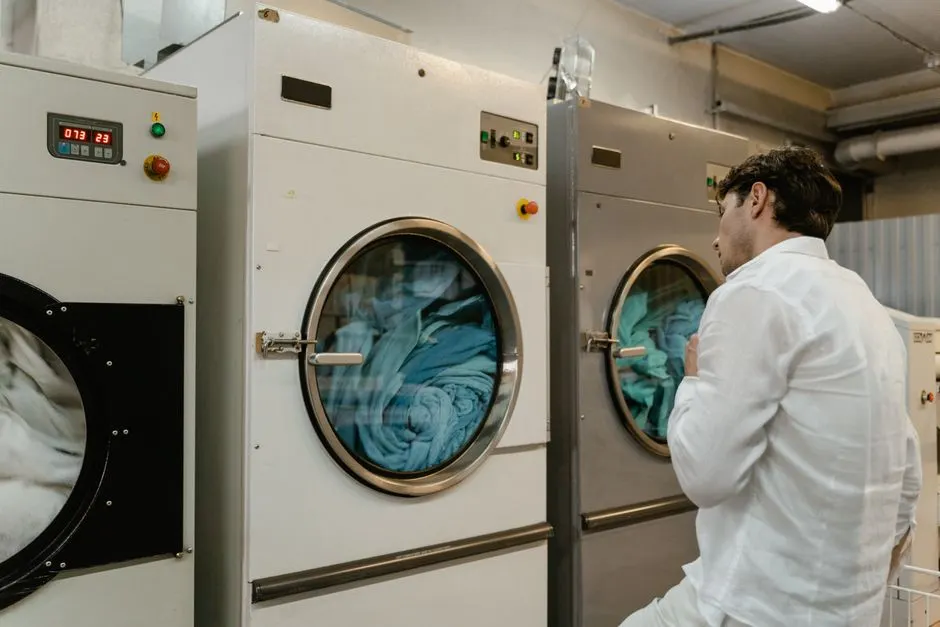 Drying and DehumidificationIndustrial drying and dehumidification using Dri-Eaz air movers and Santa Fe desiccant dehumidifiers. We monitor moisture daily until your home is dry.Explore →
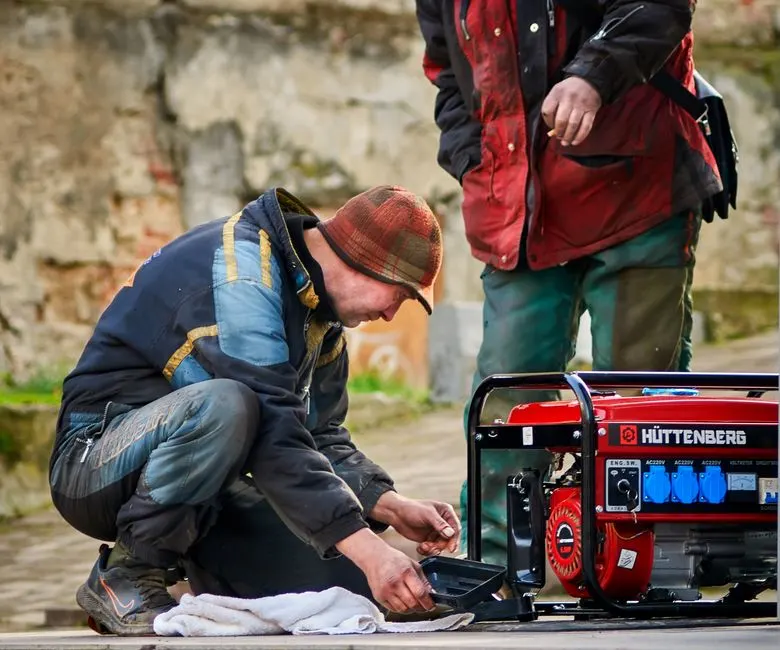 Sewage Backup CleanupSewage backup cleanup with antimicrobial treatment and safe disposal. We handle Category 3 water and restore the affected area to a clean, dry condition.Explore →
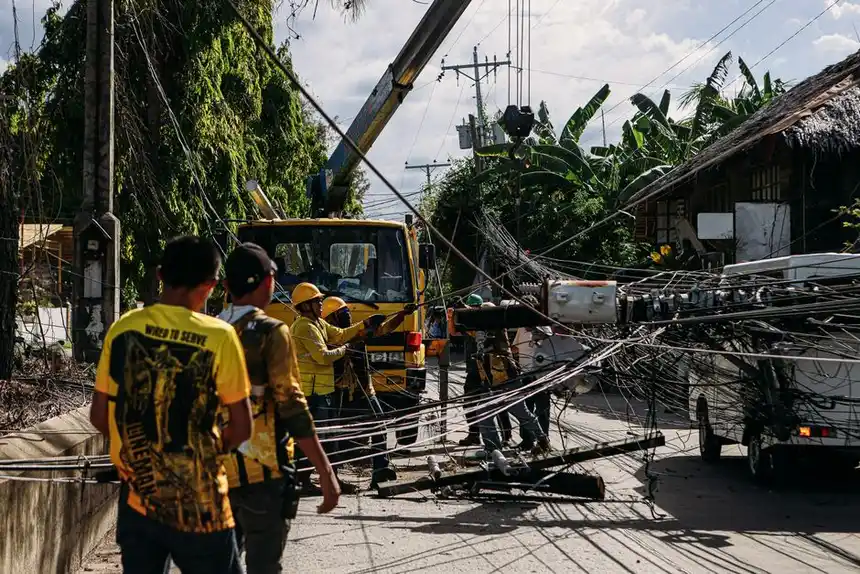 Storm Damage RestorationStorm damage restoration for wind, rain, and debris damage. We tarp, board up, extract water, and repair structural damage from Florida storms.Explore →
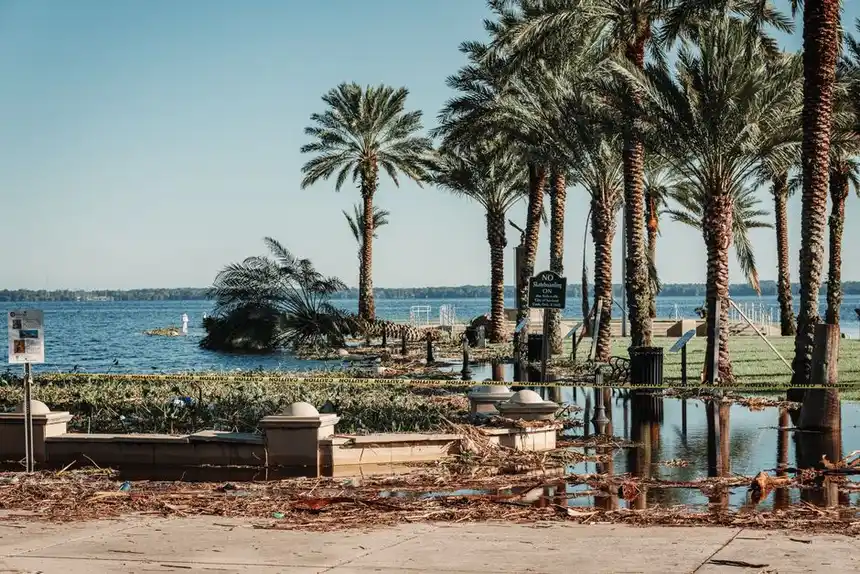 Hurricane Water Damage RestorationHurricane water damage restoration for storm surge, roof leaks, and flooding. We respond fast after the storm passes and document everything for your claim.Explore →
Standing water in your crawl space gets worse by the hour. Call 0001112222 and we will dispatch a certified crew, typically within 60 to 90 minutes. We are licensed, insured, and ready 24/7.
Call Now 0001112222 →Call 0001112222 and describe what is wet. We answer 24/7, including holidays, and dispatch a licensed, insured crew to your Florida address. If water is still running, shut off the main before you call so the damage stops spreading.