Hidden moisture behind walls after wind-driven rain
We use a boroscope and thermal imaging camera to find moisture without tearing open every wall, then dry the cavity with targeted airflow and treat it with antimicrobial spray.
Hurricane Water Damage Restoration in Florida starts the moment the wind dies down and the water is still standing in your home. We pull it out, dry the structure, and stop mold before it starts. From Kissimmee to Jupiter, our IICRC-certified crews handle storm surge, roof leaks, and flooded crawl spaces with truck-mounted extraction and calibrated drying. Call and we roll.
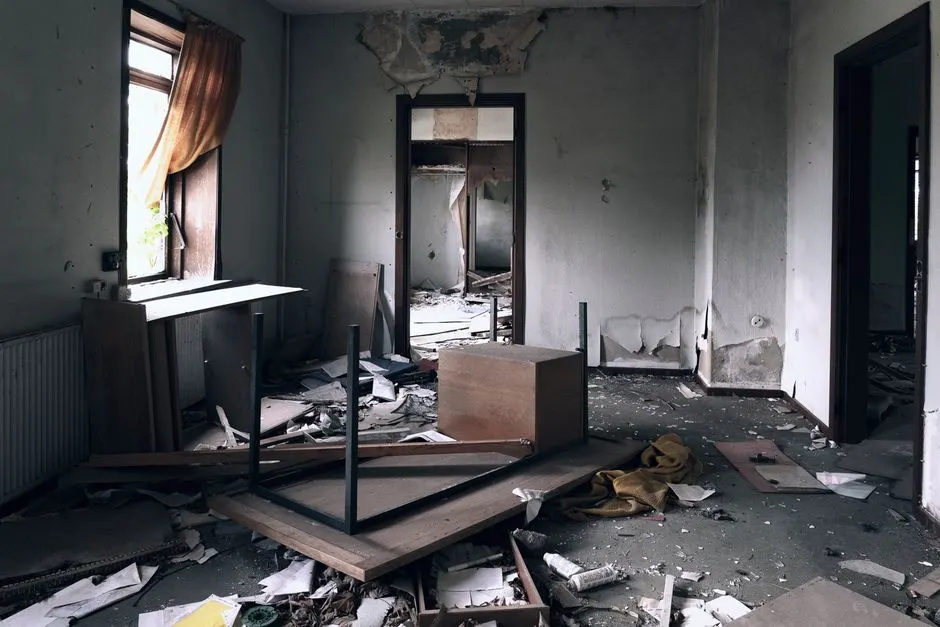
Hurricane Water Damage Restoration in Florida is the process of extracting storm-driven water, drying the building envelope, and sanitizing every affected surface so a house is safe to live in again. It is not a shop vac and a fan. It means mapping moisture with a thermal imaging camera, pulling standing water with a water extraction unit, and running refrigerant and desiccant dehumidifiers until framing reads dry on a moisture meter. We remove saturated carpet padding, cut out wicking drywall, and treat cavities with antimicrobial spray before we ever call the job finished.
Florida hurricanes push water into places homeowners never see: behind baseboards, under hardwood flooring, inside wall cavities, and down into crawl spaces. A roof leak during a storm can soak insulation for days before a ceiling water stain shows up. That is why we treat every call as a mold clock, not just a puddle. Our crews handle hurricane flood damage repair Florida homeowners call about most, from storm surge flooding in coastal neighborhoods to wind-driven rain intrusion inland. If you are searching for hurricane water damage restoration near me after a named storm, we are already staged and ready.
Every hurricane job starts with assessment and extraction and ends with documented dry standard. What sits in between depends on how much water got in and what it touched. Here is what our standard scope covers, and where reconstruction or specialty work gets added on.
Thermal imaging and moisture meter readings in every affected room, photographed and logged. This becomes your insurance record and the baseline we dry against.
Truck-mounted and portable extraction units pull water from floors, carpet, and cavities. Saturated carpet padding and unsalvageable materials get removed and bagged for disposal.
Air movers and dehumidifiers positioned per IICRC S500 calculations, with daily monitoring and adjustment until framing and drywall hit dry standard.
Antimicrobial spray applied to affected framing and cavities after extraction, targeting the mold risk that follows storm water. Applied by techs holding the Florida Mold-Related Services License (MRSA).
A closing round of moisture readings, a written drying report, and photos showing dry conditions. You get a clear record that the structure was dried to standard, not just that equipment was pulled.
You call, we answer 24/7, including during and right after a storm. We ask what flooded, how deep, and whether power is safe, then lock in a window. You get a text with the tech's name and arrival estimate. No phone tree, no call center.
A lead tech walks the property with a moisture meter and thermal imaging camera, checking walls, ceilings, and floors. We map the water migration and photograph everything before a single item moves. This usually takes 30 to 60 minutes and becomes the backbone of your insurance file.
Truck-mounted water extraction units pull standing water fast, then we switch to portable extractors for carpet and tight spaces. Saturated carpet padding gets pulled and bagged. On a typical flooded first floor, extraction takes two to four hours depending on square footage and how much debris is in the water.
We set air movers and Dri-Eaz or Phoenix Restoration Equipment dehumidifiers to dry the framing, drywall, and subfloor. Desiccant dehumidification handles humid Florida air that refrigerant units alone cannot keep up with. Expect three to five days of drying with daily moisture checks and equipment adjustments.
We do not pull equipment until every reading hits dry standard. You get a final moisture report, photos, and a written summary of what was dried and what needs repair. If reconstruction is needed, we scope it clearly so you know what comes next and what it costs.
Purpose-built equipment, used by trained technicians — so the job is done accurately the first time.
Finds temperature differences that reveal hidden moisture behind walls and under floors without tearing the house apart.
Measures moisture content in framing and drywall and tracks relative humidity so we know when the structure is actually dry.
Pulls thousands of gallons of standing storm water fast, cutting how long water has to wick into walls and subfloor.
Removes moisture from the air so wet materials can dry. Desiccant units handle Florida humidity that refrigerant units struggle with.
Directed airflow across walls, floors, and cavities speeds evaporation and prevents moisture from settling into framing.
Lets us look inside wall cavities and behind baseboards to confirm hidden moisture and mold before we close anything up.
Knocks down odors after storm flooding and captures fine debris and mold spores during cleanup.
Storm surge pushed two inches of water under sliding doors and soaked the carpet and padding across 600 square feet. The baseboards were wicking water and the room smelled of silt.
We extracted, pulled the padding, dried the subfloor and baseboards over four days, and treated the cavity with antimicrobial spray. Final moisture readings were at dry standard and new flooring went down over a dry slab.
Lost shingles let rain pour into the attic for hours. Insulation was saturated and water ran down an interior wall, leaving a ceiling stain and wet drywall.
We tarped the roof, removed wet insulation and drywall, dried the framing and cavity in three days, and documented the loss for the claim. The wall was dried without full replacement.
Standing water sat under the house for three days after the storm. Joists were damp, the vapor barrier was torn, and the whole house smelled musty.
We pumped out the crawl space, dried the joists and subfloor over five days, and replaced the damaged vapor barrier section. Moisture readings confirmed dry, and the smell cleared.
Storm water creates problems that do not show up on day one. Ceiling stains appear a week later, floors start cupping, and a musty smell shows up in a closet you never opened. Here is what we fix and why waiting makes it worse.
Ask a pro →We use a boroscope and thermal imaging camera to find moisture without tearing open every wall, then dry the cavity with targeted airflow and treat it with antimicrobial spray.
We extract, remove saturated materials, apply category 3 containment protocols, and dry the framing to standard before any rebuild begins.
We pump out the crawl space, dry the joists and subfloor with directed airflow, and check the vapor barrier so the space stays dry after we leave.
We locate the wet zone, remove saturated insulation and drywall, dry the framing, and document the loss for your insurance claim before any patch work.
Most hurricane water damage restoration jobs in Florida run $2,500 to $12,000 for a typical home, with small extraction-only jobs starting around $1,200 and whole-floor rebuilds going higher. Square footage, water category, and how long the water sat drive the number. Storm surge and sewage-contaminated water cost more because containment and disposal are required. We give you a clear scope and price before work starts.
Yes, most Florida homeowners policies cover hurricane water damage, though wind-driven rain and storm surge can be treated differently and many policies carry a separate hurricane deductible. Flood damage from rising water often needs a separate flood policy. We document everything in Xactimate and photograph the loss so your adjuster has what they need. We work with carriers directly to keep the claim moving.
We aim to have a crew on site the same day roads are passable, and we stage equipment before landfall so we are not waiting on supply. In heavily hit areas, expect a few hours of delay while emergency crews clear roads. Call as soon as it is safe and we will give you a realistic arrival window, not a vague promise.
Before landfall, move valuables off the floor, clear gutters, check that your sump pump and battery backup work, and know where your water shutoff is. Photograph each room so you have a before record for insurance. After the storm, shut off power to flooded areas if it is safe and call us before you start pulling wet drywall, since hidden moisture behind walls is what turns into mold.
We deliver hurricane water damage restoration services across Florida with crews staged in multiple regions, so a storm on one coast does not leave the other waiting. From inland neighborhoods to coastal surge zones, we handle extraction, drying, and documentation the same way everywhere. Here are some of the communities we cover, and how the work plays out in each.
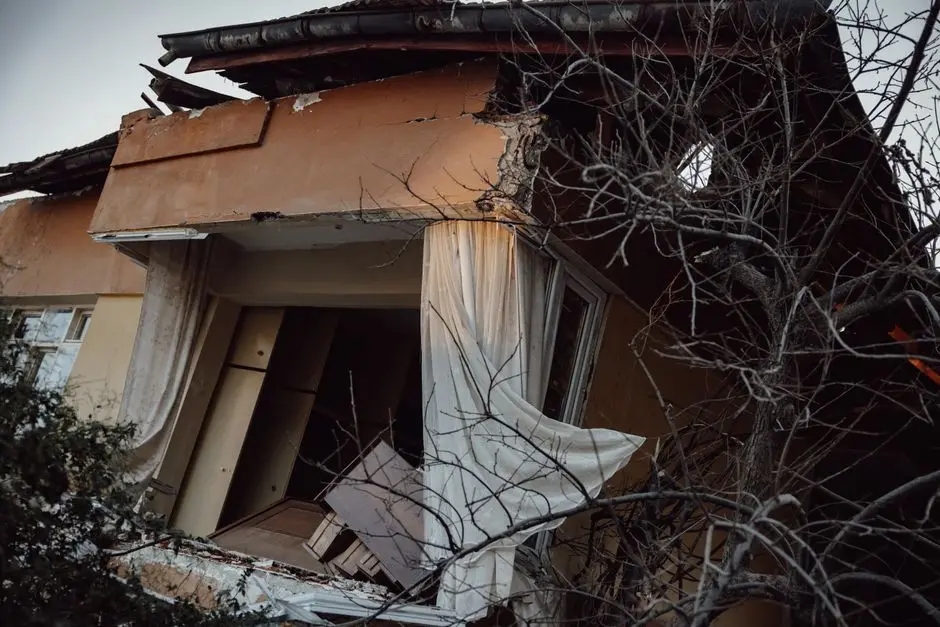 Water Damage RestorationThe core service behind every hurricane job. We extract, dry, and restore structural materials so your home returns to pre-storm condition, with documentation your insurance carrier accepts.Explore →
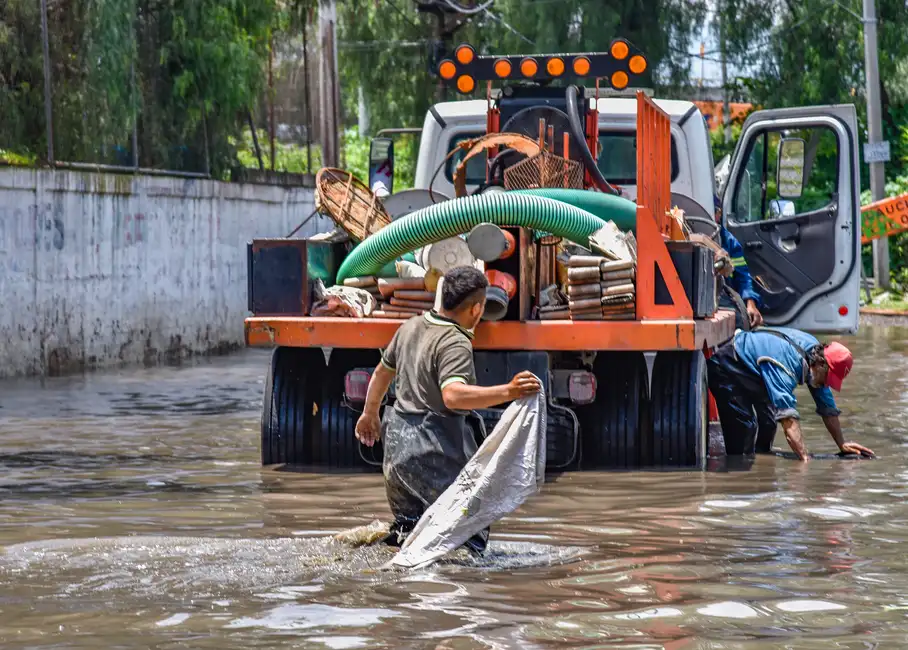 Emergency Water RemovalWhen storm water is still standing, every hour counts. Our truck-mounted extraction units pull thousands of gallons fast, limiting how far water wicks into walls and floors.Explore →
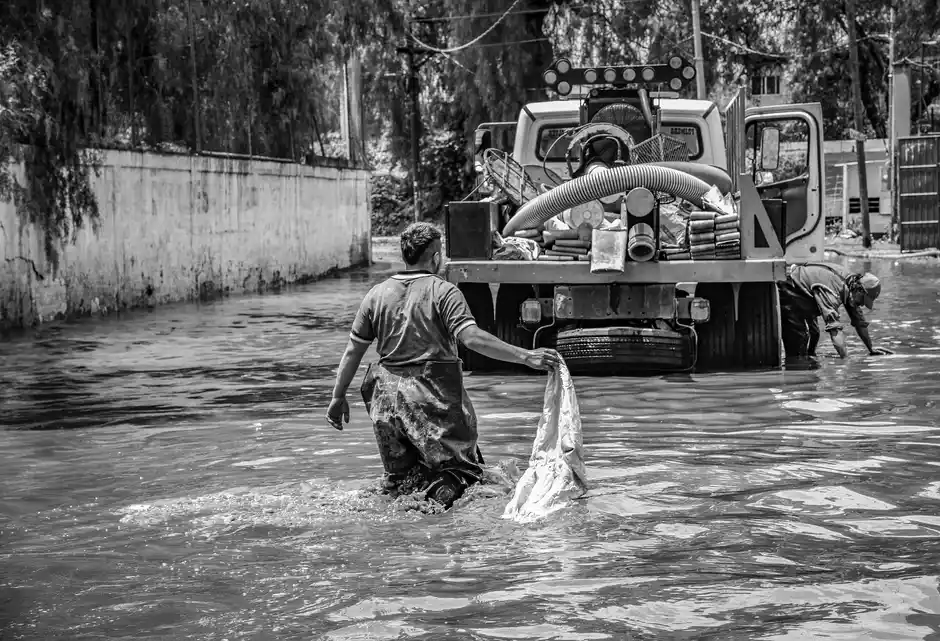 Flood CleanupStorm flooding carries silt, debris, and contaminants. We handle containment, removal of saturated materials, antimicrobial treatment, and safe disposal so the house is clean, not just dry.Explore →
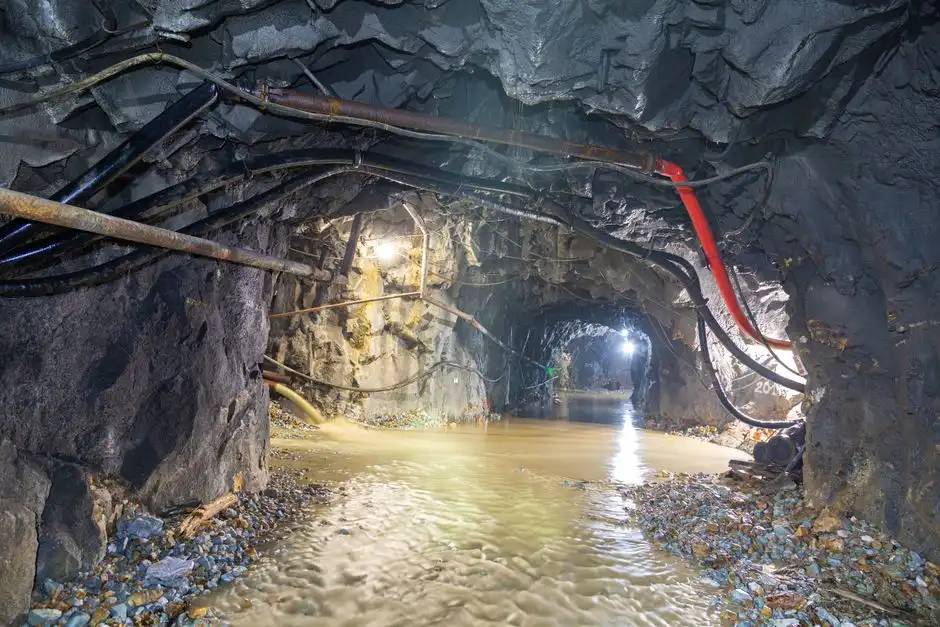 Water ExtractionThe first physical step after any hurricane. Portable and truck-mounted extractors pull water from carpet, padding, hardwood, and subfloor before drying equipment goes down.Explore →
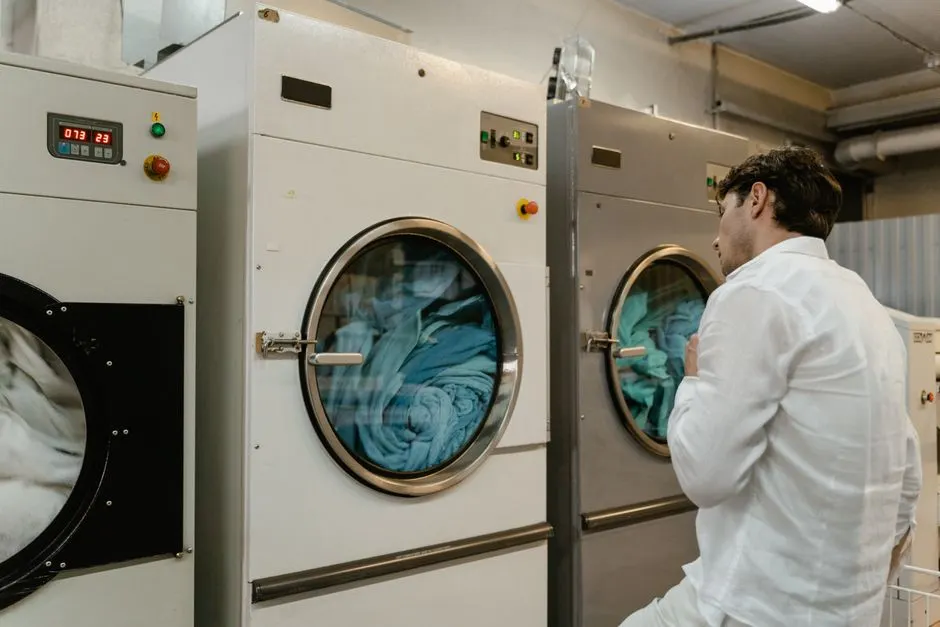 Drying and DehumidificationFlorida humidity fights you after a storm. We run air movers and desiccant dehumidifiers to dry framing and drywall to IICRC standard, logging readings daily until the structure is dry.Explore →
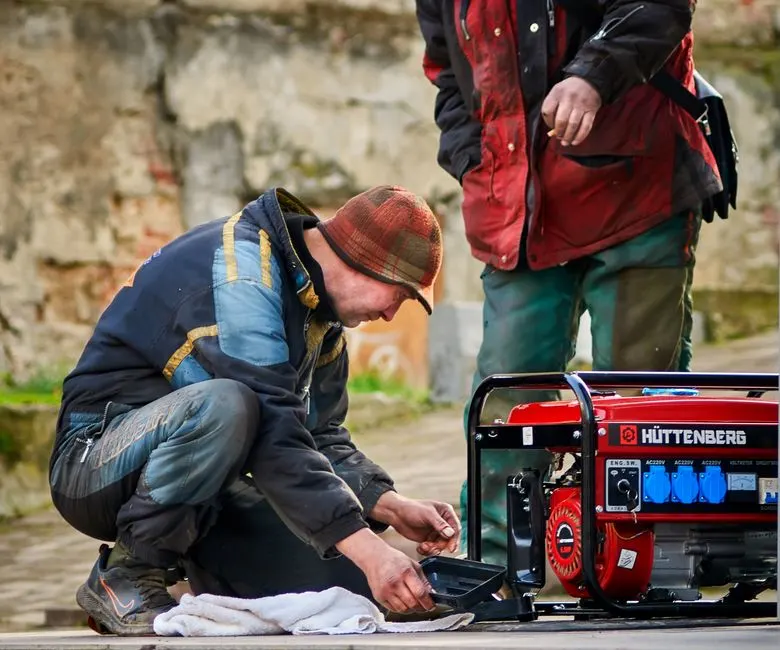 Sewage Backup CleanupHurricane flooding often mixes with sewer lines. Category 3 water needs full containment, PPE, removal of porous materials, and disinfection before the space is safe to use again.Explore →
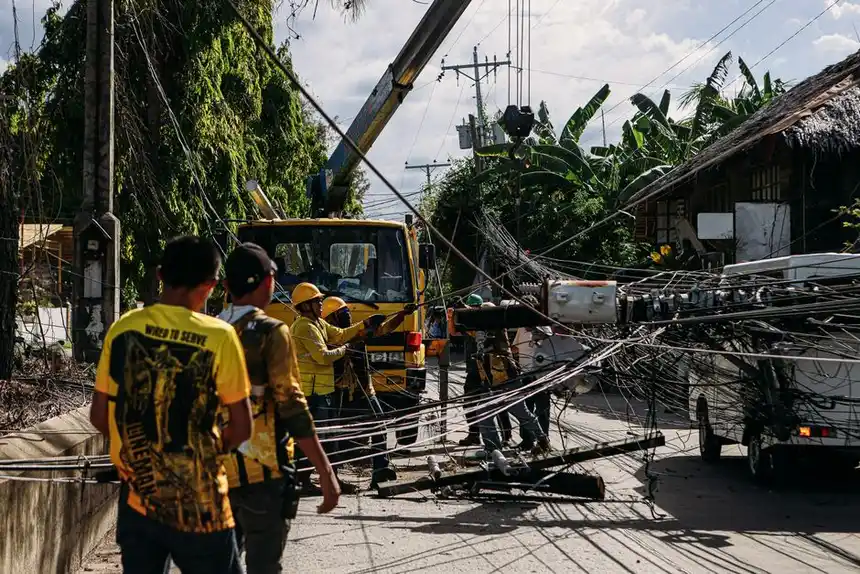 Storm Damage RestorationBeyond water, hurricanes bring roof damage, broken windows, and structural compromise. We handle tarp-overs, board-ups, and the rebuild that follows the dry-out.Explore →
 Basement Water Damage RepairEven in Florida, below-grade spaces flood during storms. We pump out basements, dry the slab and walls, and address seepage points so the next storm does not repeat the problem.Explore →
Storm water does not wait and neither should you. Our crews are licensed, insured, and IICRC-certified, and we answer 24/7 through the storm and after. Call now and we will give you a real arrival window and a clear scope before work begins.
Call for Storm Help 0001112222 →Call 0001112222 and describe what is wet. We answer 24/7, including holidays, and dispatch a licensed, insured crew to your Florida address. If water is still running, shut off the main before you call so the damage stops spreading.