Why does my water heater leak and cause water damage
A leaking water heater is one of the most common sources of hidden water damage in Florida homes. Here is why it happens, what it costs to fix, and how to stop it.
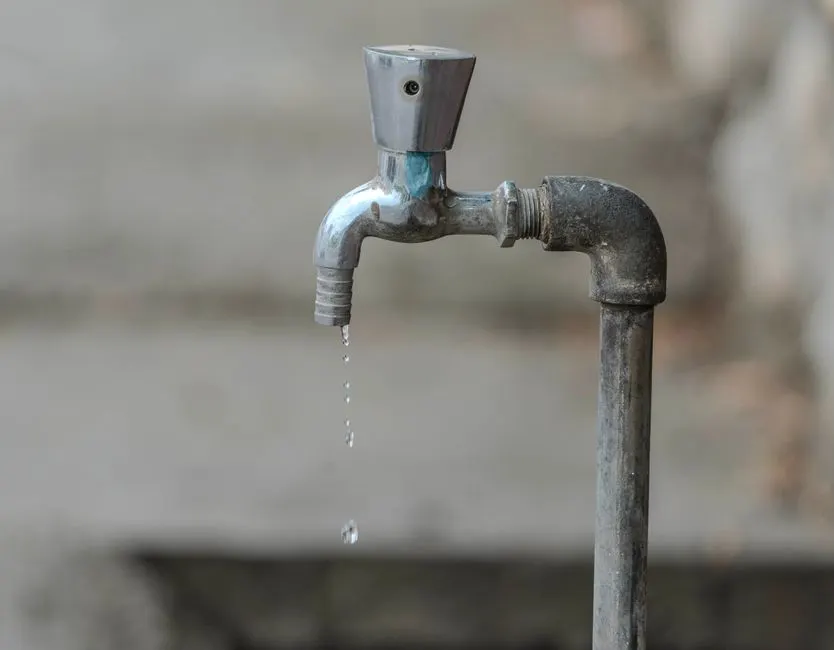
Your water heater is leaking because a component has failed - usually a worn inlet or outlet connection, a cracked tank, a bad T&P valve, or a failing heating element - and the water pooling around the base is already soaking drywall, insulation, and flooring. In Florida, that leak becomes water damage fast: our humidity keeps materials wet longer, and a 40-gallon tank can release dozens of gallons into a closet or garage before you notice. Below we cover the six causes we see most often, what repair and cleanup cost in 2026, how to shut the leak down safely, and when to call for water damage restoration in Florida.
The short answer: why water heaters leak and cause damage
Water heater leak causing water damage is a plumbing failure that turns a contained appliance into a slow flood, and it happens because the tank and its connections are under constant pressure and heat. The metal expands and contracts every time the burner or element cycles, and after 8 to 12 years that fatigue shows up as a pinhole, a drip, or a full rupture. A tank leak is not repairable - once the steel is compromised, replacement is the only fix. A fitting or valve leak usually is repairable, and catching it early is the difference between a $150 service call and a $4,000 restoration job.
The six most common causes of a leaking water heater in Florida
Most of the water heater leaks we repair in Florida fall into one of six categories, and each one leaves a different signature - where the water shows up tells you what failed.
1. Loose or corroded pipe connections
The inlet and outlet fittings on top of the tank are the first place to look. Dielectric unions and flex connectors corrode faster in Florida's humid air, especially in garages and utility closets that are not air-conditioned. A drip from the top of the tank usually means a bad union or a cracked nipple, not a failed tank.
2. A failed temperature and pressure relief (T&P) valve
The T&P valve opens at 150 psi or 210°F to prevent an explosion. When it sticks open or the seat degrades, water runs down the discharge pipe and pools at the base. If you see water at the end of the relief pipe, the valve or the expansion tank is the problem - not the tank itself.
3. Sediment buildup and tank corrosion
Florida's water carries minerals that settle on the tank bottom. That sediment insulates the burner, overheats the steel, and pops the glass lining. You will hear popping or rumbling before you see the leak. Once the tank itself is weeping, replacement is the only option.
4. A worn heating element gasket (electric units)
On electric heaters, the element seals against the tank with a rubber gasket. When that gasket hardens, water seeps out around the element and runs down the side. This is one of the cheaper fixes - a new gasket and element run $150 to $300 installed.
5. A cracked tank
A crack in the steel tank is the end of the line. It usually starts at a weld seam or where the anode rod has been consumed. If the tank is 10 years or older and leaking from the body, we replace it - no sealant holds a pressurized tank.
6. High water pressure
Anything above 80 psi stresses every fitting and valve in the system. We check pressure at the hose bibb on every call. A failed pressure-reducing valve is a common culprit in older Florida neighborhoods, and it will keep ruining water heaters until it is replaced.
How a small leak becomes major water damage
A water heater leak becomes major water damage because the appliance sits in a closet, garage, or attic where the water spreads out of sight before it reaches a finished floor. In a Florida home, that means the leak wicks into drywall, baseboards, insulation, and the subfloor within hours. We have pulled baseboards in Tampa and Orlando closets where the tank had been dripping for a week and the drywall was already soft to the touch.
Three things make it worse here. First, our humidity slows evaporation, so materials stay wet two to three times longer than in a dry climate. Second, many Florida water heaters are in the garage or attic, so the water travels along the slab or through the ceiling before you see it. Third, warm temperatures speed mold growth - mold can colonize wet drywall in 24 to 48 hours. That is why we treat every water heater leak as a emergency water removal in Florida call, not a wait-and-see plumbing issue.
Water heater leak repair and water damage cleanup in Florida: what it costs
Typical 2026 pricing in this area breaks down into two buckets: fixing the heater and drying the structure. The repair cost depends on the cause, and the cleanup cost depends on how long the leak ran and what it soaked.
- Minor fitting or valve repair: $150 to $350
- Heating element and gasket replacement: $150 to $300
- T&P valve or expansion tank replacement: $200 to $450
- Full water heater replacement (40-50 gallon): $1,200 to $2,500 installed
- Water extraction and structural drying (small closet): $800 to $1,800
- Drywall, insulation, and baseboard repair: $500 to $2,000
- Mold remediation if the leak went untreated: $1,500 to $6,000
Most homeowner insurance policies in Florida cover sudden water heater leaks - the kind where a tank bursts or a fitting fails without warning. They usually do not cover damage from a leak you knew about and ignored. We document moisture readings, photos, and affected materials from the first hour so your claim has what it needs. For larger losses, our water damage in Miami crews handle the same process in high-rise utility closets and condo mechanical rooms where water travels between units.
How to stop a water heater leak right now
Shut the water off first, then the power or gas - in that order - and the leak will stop getting worse while you call for help. Here is the sequence we walk homeowners through on the phone:
- Close the cold-water inlet valve on top of the tank (turn clockwise).
- Turn off the breaker for an electric heater, or set the gas valve to pilot/off for a gas unit.
- Open a hot-water faucet nearby to relieve pressure in the lines.
- If the tank is leaking from the body, connect a hose to the drain valve and drain it into a floor drain or outside.
- Move boxes, rugs, and anything stored around the heater away from the water.
- Call for water extraction in Florida if the water has spread beyond the drain pan.
Do not keep resetting a tripped breaker or relighting a pilot on a leaking unit. Water and electricity in the same closet is a shock hazard, and a gas heater with a wet combustion chamber can fail to vent properly.
Common mistakes that make water heater leaks worse
The mistakes we see most often turn a repairable leak into a full restoration job, and most of them happen in the first hour.
- Waiting for the leak to stop on its own. A pressurized tank does not self-seal. Every hour adds soaked material.
- Using a shop vac and calling it done. Surface water comes up; the moisture inside drywall and subfloor stays and feeds mold.
- Putting a bucket under a tank leak. A cracked tank can release 40 gallons in minutes once the seam lets go.
- Ignoring the drain pan. Many Florida pans drain to the outside or a floor drain - if that line is clogged, the pan overflows into the closet.
- Skipping the pressure check. Replacing a heater without fixing high water pressure means the new one fails early too.
When to call a professional
Call a professional when the leak is coming from the tank body, when water has reached drywall, carpet, or a finished ceiling, or when you cannot shut the water off at the valve. Those are the three situations where waiting costs real money. Our team at Water Damage Pros handles both sides of the problem - we stop the leak and dry the structure - so you are not coordinating a plumber and a restoration company on the same day. We serve homeowners across the state, including water damage in Tampa and the surrounding neighborhoods, and we check moisture with meters before we call a job dry.
Frequently Asked Questions
Why is my water heater leaking in Florida?
The most common causes are a corroded fitting, a failed T&P valve, sediment damage, a worn element gasket, or a cracked tank. Florida's humidity and mineral-heavy water speed up corrosion, so heaters here often fail between 8 and 12 years.
How to fix water heater leak in Florida?
Shut off the water and power, then identify the source. A fitting or valve leak is a same-day repair; a tank leak means replacement. If water has spread into walls or flooring, call for cleanup before mold sets in, usually within 24 to 48 hours.
Does insurance cover water heater leak damage in Florida?
Most policies cover sudden leaks, such as a burst tank or failed fitting, but not long-term seepage you could have noticed. Expect the policy to cover drying and repairs, while the heater itself may be excluded or depreciated.
How much does water heater leak repair cost in Florida?
Minor repairs run $150 to $450. A full replacement runs $1,200 to $2,500 installed. Water damage cleanup adds $800 to $1,800 for a small area, and mold remediation can push the total past $5,000 if the leak went untreated.
Who to call for water heater leak in Florida?
Call a licensed plumbing contractor to stop the leak and a water damage restoration company to dry the structure. Water Damage Pros handles both, so you make one call and get the leak fixed and the moisture removed in the same visit.
Get help with water damage in Florida
A leaking water heater is a plumbing problem for the first hour and a water damage problem after that. We stop the leak, extract the water, and dry the structure so mold does not get a foothold. Call Water Damage Pros at 0001112222 and we will be on our way.