Water extraction vs drying and dehumidification: what's the difference
Water extraction pulls standing water out in hours. Drying and dehumidification pull moisture out of materials over days. Here's how the two steps work together in Florida.
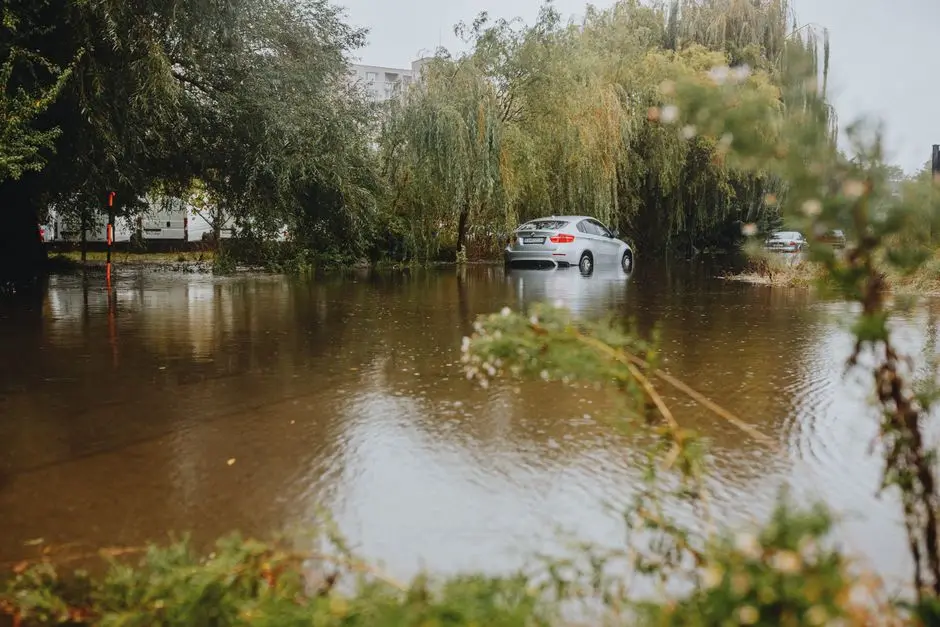
Water extraction removes standing and trapped liquid water with pumps and vacuums; drying and dehumidification remove the moisture that's left inside your walls, floors, and air. You need extraction first, drying second - skipping either one leaves water behind that turns into mold, warped hardwood, and a musty smell within about 48 hours. Water extraction vs drying and dehumidification is really a question of sequence, not either/or.
Below we break down what each step does, how long it takes in Florida's humidity, what it costs in 2026, and how to tell which one your situation actually needs. We run both steps on every water job we handle across water damage restoration in Florida, and the order never changes.
The short answer: extraction removes water, drying removes moisture
Water extraction vs drying and dehumidification in Florida comes down to what's being removed. Extraction targets bulk water you can see - the inch of standing water on your tile, the soaked carpet, the water pooled inside a wall cavity. Drying and dehumidification target water vapor and moisture bound inside materials - the damp drywall, the wet subfloor, the humid air inside a closed-up house.
Water extraction and dehumidification is a category of work that starts the moment we arrive and ends when your materials read dry on a moisture meter. Extraction is the first 2 to 8 hours. Drying is the next 3 to 5 days. Both are required on almost every job bigger than a small spill.
Here's the plain-English split:
- Extraction: pumps, wet vacuums, weighted extraction wands. Removes liquid water. Measured in gallons per minute.
- Drying: high-velocity air movers. Evaporate surface moisture into the air. Measured in air changes per hour.
- Dehumidification: refrigerant or desiccant dehumidifiers. Pull that moisture out of the air so drying can keep working. Measured in pints per day.
If you only extract and never dry, the water you can't see stays in the structure. If you only dry without extracting, the dehumidifiers fight a losing battle against standing water.
What water extraction actually does
Water extraction in Florida is the physical removal of liquid water from your home using truck-mounted or portable extraction units. A truck-mount pulls 12 to 18 inches of vacuum and can lift hundreds of gallons an hour out of a flooded room. Portable units handle condos, upper floors, and tight spaces where a hose run isn't practical.
What we actually do during extraction:
- Locate the source and stop it - shut the supply valve, kill the breaker, or tarp the roof leak.
- Pull standing water off hard floors with a squeegee wand and pump.
- Run weighted extraction over carpet and pad to pull water out of the fibers and backing.
- Drill small weep holes at the base of water-wicked drywall so trapped water can drain.
- Use a moisture meter and thermal camera to find water hiding behind baseboards, under cabinets, and inside wall cavities.
Extraction is the step that stops the damage from getting worse. Every hour you wait, water wicks higher up the drywall - roughly one inch per hour in a saturated wall. After 24 hours, drywall that could have been dried in place often has to be cut out and replaced.
For jobs where water is still rising or the source can't be shut off, we run emergency water removal in Florida around the clock. That's the call when you're standing in water, not when you're mopping up a spill.
What drying and dehumidification actually does
Drying and dehumidification in Florida is the controlled evaporation of moisture out of building materials and the air inside your home. Once the standing water is gone, your drywall, subfloor, and framing are still saturated. Air movers evaporate that moisture into the air, and dehumidifiers pull it out so the air can absorb more.
Two pieces of equipment do the work:
- Air movers - high-velocity fans positioned at a 15 to 45 degree angle to the wet surface. They create a vortex that lifts moisture off the material and into the air stream.
- Dehumidifiers - refrigerant units for warm, humid rooms; desiccant units for cooler or densely packed spaces. A single LGR dehumidifier pulls 80 to 130 pints of water per day out of the air.
We place equipment based on a drying plan, not by guessing. A typical 12x14 bedroom with wet carpet and pad gets 4 to 6 air movers and 1 dehumidifier. A flooded kitchen with wet cabinets and hardwood gets more, plus floor mats that push dry air under the wood.
Drying is where the science matters. We track temperature, relative humidity, and material moisture content daily. In Florida, the outdoor air is often 80 to 95 percent relative humidity - opening windows to "air it out" actually makes the problem worse. We keep the house closed and let the equipment do the work.
For homes with water under the foundation or in a below-grade room, the same principle applies on a different scale. We handle basement water damage repair in Florida with the same extraction-then-drying sequence, just with more pump capacity and longer dry times.
Water extraction vs drying and dehumidification in Florida: why humidity changes the math
Water extraction vs drying Florida homeowners ask about is different from the same question in Arizona or Colorado, because our outdoor air is already loaded with moisture. In a dry climate, you can sometimes dry a small spill by opening windows and running a box fan. In Florida, that approach adds moisture instead of removing it.
Three Florida-specific factors change how we run a job:
- Baseline humidity. Outdoor relative humidity averages 70 to 90 percent most of the year. Any air you bring in has to be dehumidified before it can dry anything.
- Warm temperatures. Heat speeds evaporation, which sounds good until you realize it also speeds mold growth. Mold can colonize a wet surface in 24 to 48 hours here.
- Building construction. Slab-on-grade homes common across the state mean water wicks into the slab and stays there. We use floor drying mats and longer dry times than you'd need on a raised foundation.
We see this pattern in every part of the state. In older coastal neighborhoods, salt air and aging plumbing push the leak rate up. Inland, afternoon thunderstorms and hurricane season dump water fast. When we work on water damage in Tampa, the mix of 1950s bungalows and newer construction means we plan each job around what the building can actually tolerate.
Do I need water extraction or just drying in Florida?
You need extraction any time there is visible standing water, saturated carpet, or water pooled inside a wall or ceiling cavity. You need only drying when the water source was small, was caught immediately, and no liquid water remains - a spilled glass, a slow supply-line drip that soaked a small area of drywall, a toilet overflow that was mopped up within minutes.
Use this rule of thumb:
- Extraction + drying: burst pipe, appliance failure, toilet overflow that ran for more than a few minutes, any water that reached carpet or pad, any water inside a wall.
- Drying only: a small spill on hard flooring that was wiped up immediately, a ceiling stain with no active drip, a slow leak that dampened a small patch of drywall.
- Extraction only (rare): almost never. If water was heavy enough to need extraction, the materials around it are wet enough to need drying.
If you're not sure, the honest test is a moisture meter. We read the material, not the surface. Drywall that feels dry to the touch can read 25 to 30 percent moisture content inside - well above the 12 to 15 percent that's considered dry.
How long does water extraction and drying take in Florida?
Extraction takes 2 to 8 hours on a typical residential job. Drying takes 3 to 5 days, and sometimes 5 to 7 days for Category 2 or Category 3 water, dense materials like hardwood or tile-over-slab, or homes with limited airflow.
What drives the timeline:
- Category of water. Category 1 (clean supply line) dries fastest. Category 2 (washing machine, dishwasher) takes longer. Category 3 (sewage, ground water, hurricane flooding) requires removal of porous materials and takes the longest.
- Material. Carpet and pad: 2 to 3 days. Drywall: 3 to 4 days. Hardwood: 4 to 7 days. Tile over slab: 5 to 10 days because the slab holds moisture.
- How fast you called. Water that's been sitting 48 hours or more adds a full day to the dry time and usually triggers mold remediation.
- Equipment and airflow. A properly sized drying plan cuts days off the job. Undersized equipment stretches a 3-day dry into a 7-day dry.
We check moisture readings every day and adjust equipment as materials dry. When the readings hit target, we pull the equipment. Not before.
What the water damage drying process in Florida looks like day by day
Water damage restoration steps Florida homeowners see on a real job follow a predictable arc. Here's the sequence we run:
- Day 0 - Emergency response. Stop the source, extract standing water, set initial air movers and dehumidifiers, document everything with photos and moisture readings.
- Day 1 - Stabilize. Check readings, adjust equipment placement, remove any materials that can't be saved (wet pad, saturated drywall below the flood cut).
- Day 2-3 - Dry. Daily monitoring. Materials start reading below 20 percent moisture content.
- Day 3-5 - Verify. Final moisture readings, confirm dry standard is met, remove equipment.
- Day 5+ - Repairs. Replace drywall, paint, reinstall baseboards, reset carpet or flooring.
We document every reading. That documentation is what your insurance adjuster uses to approve the claim, and it's the reason we photograph the moisture meter on every visit.
Cost of water extraction vs drying in Florida in 2026
Cost of water extraction vs drying in Florida breaks down into two line items on your invoice. Typical 2026 pricing in this area runs $150 to $500 for extraction on a small job and $1,200 to $3,500 for extraction plus drying on a mid-size residential loss. Whole-home or Category 3 losses run $4,000 to $12,000 or more.
What you're paying for:
- Extraction: $75 to $150 per hour for truck-mount work, or a flat rate based on square footage and water volume.
- Air movers: $25 to $50 per unit per day. A typical room uses 4 to 6 units for 3 to 5 days.
- Dehumidifiers: $75 to $150 per unit per day. Most homes use 1 to 2 units.
- Monitoring: usually included in the daily equipment rate.
- Antimicrobial treatment: $0.25 to $0.75 per square foot when needed.
Most homeowner policies cover water extraction and drying when the loss is sudden and accidental - a burst pipe, a failed water heater, an appliance supply line. Flood damage from rising water is a separate policy through the National Flood Insurance Program. We bill insurance directly and walk you through what's covered before we start.
Common mistakes we see on Florida water jobs
The mistakes that cost homeowners the most are almost always about timing or sequence, not equipment. Here's what we see most often:
- Opening windows to "air it out." In Florida, this pulls 80 to 95 percent humidity air into a house you're trying to dry. It adds days to the job.
- Renting a shop vac and calling it done. A shop vac pulls surface water. It doesn't touch the water inside your wall cavity or under your flooring.
- Running the HVAC as a dehumidifier. Your AC removes some moisture, but it's not sized to dry a flooded house. It also freezes up when it runs continuously against saturated air.
- Waiting to see if it dries on its own. Mold can start in 24 to 48 hours in Florida. Every day you wait raises the cost and the scope of the job.
- Pulling equipment too early. Drywall that feels dry to the touch can still read 25 percent moisture inside. If you pull the dehumidifier early, the moisture migrates back and you start over.
- Not documenting for insurance. Photos, moisture readings, and daily logs are what get a claim approved. Without them, you're arguing with an adjuster over a number you can't prove.
We see these on jobs across the state, including the ones we run as water damage restoration in Orlando, Florida. The pattern is the same whether the water came from a supply line or a summer storm.
When to call a professional
Call us when water has reached carpet, pad, drywall, or a wall cavity - or when you can't tell how far it spread. A moisture meter tells the truth your eyes can't. If the water came from a sewage backup, a toilet with waste, or outdoor flooding, that's Category 3 and it needs professional handling, not a mop.
We also get called for the jobs that look small and aren't. A slow supply-line drip behind a refrigerator can soak a cabinet base and a section of subfloor for weeks before you notice. By the time you see the stain, the drying job is bigger than the extraction job.
Water Damage Pros handles both steps - extraction and drying - on every job. We set the equipment, monitor it daily, and don't pull it until the readings say the structure is dry.
Frequently Asked Questions
What is the difference between water extraction and drying in Florida?
Extraction removes liquid water with pumps and vacuums; drying removes the moisture left inside walls, floors, and air with air movers and dehumidifiers. Extraction takes 2 to 8 hours. Drying takes 3 to 5 days. You need both on almost every job bigger than a small spill.
Do I need water extraction or just drying in Florida?
You need extraction if there's visible standing water, saturated carpet, or water inside a wall. You need only drying if the spill was small, caught immediately, and no liquid water remains. If you're unsure, a moisture meter reading above 15 percent means drying is needed.
How long does water extraction and drying take in Florida?
Extraction runs 2 to 8 hours. Drying runs 3 to 5 days for most residential jobs, and 5 to 7 days for hardwood, tile over slab, or Category 3 water. Florida's humidity adds roughly a day compared to drier climates.
Does insurance cover water extraction and drying in Florida?
Yes, most homeowner policies cover both when the loss is sudden and accidental - a burst pipe, failed water heater, or appliance line. Flood damage from rising water needs a separate NFIP policy. We bill insurance directly and document every step for the claim.
Who offers water extraction and drying in Florida?
Water Damage Pros provides both services statewide, with same-day emergency response. We extract standing water, set drying equipment, monitor moisture daily, and handle the repairs after the structure is dry.
Get help with water damage in Florida
If you're standing in water right now, the clock is running. We extract, dry, and document the whole job so your insurance claim goes through clean.
Call Water Damage Pros at 0001112222 for same-day water extraction and drying anywhere in Florida.