Signs of Hidden Water Damage Behind Walls in Miami Homes
Musty smells, bubbling paint, and soft drywall are the top signs of hidden water damage behind walls in Miami homes. Here's how to find it and what repairs cost.
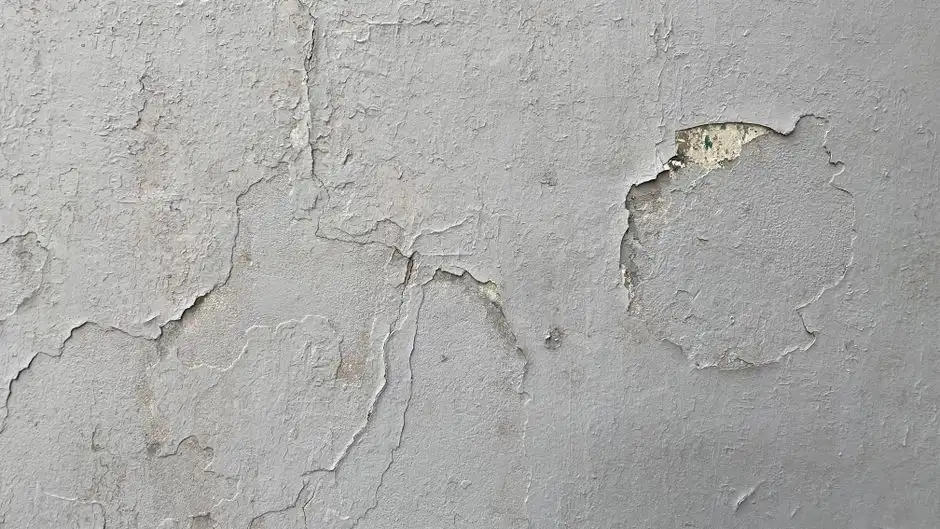
The clearest signs of hidden water damage behind walls in Miami are a musty odor that won't go away, paint or drywall that bubbles and feels soft, and a faint hissing or dripping sound when the house is quiet. If you notice any of those, water is almost certainly sitting inside the wall cavity right now. Below we cover how to confirm it, what it costs to fix in 2026, and when to stop guessing and call a pro.
Miami homes are especially vulnerable because of the humidity, the age of the housing stock, and the frequency of heavy rain. We've opened thousands of walls across South Florida, and the patterns repeat. Here's what to look for.
What Are the First Signs of Hidden Water Damage Behind Walls in Miami?
Signs of hidden water damage behind walls in Miami show up as sensory clues before they show up as structural ones. Your nose and your eyes usually catch it first. A persistent musty smell in one room - even after you've cleaned - is the single most reliable early warning. That smell is mold or mildew feeding on wet drywall paper and wood framing.
Next, look at the surfaces. Paint that bubbles or peels in a straight line, drywall that feels soft or spongy when you press it, and baseboards that swell away from the wall are all classic indicators. You may also see a faint brown or yellow stain that reappears after you paint over it. That's water wicking through from the back side.
Here's a quick checklist we run through with homeowners on the phone:
- Musty or earthy smell that returns after cleaning
- Paint bubbling, cracking, or peeling in one area
- Drywall that feels soft, crumbly, or cold to the touch
- Baseboards or trim separating from the wall
- Warped or discolored wallpaper
- A faint dripping or hissing sound when the house is quiet
- Unexplained spike in your water bill
If you're seeing more than one of these, the leak has likely been active for weeks. The longer it runs, the more the repair costs climb. For a broader look at how we handle these situations across the state, see our water damage restoration in Florida services.
How to Detect Water Damage Behind Walls in Miami
How to detect water damage behind walls in Miami comes down to three tools: your eyes, a moisture meter, and a thermal camera. You can do the first one yourself. The other two are what separate a guess from a confirmed diagnosis.
Start with a visual sweep. Look under sinks, behind the washing machine, around the water heater, and along the base of every exterior wall. Check the ceiling below any second-floor bathroom. If you see staining or feel softness, you've found the general area.
For confirmation, a pin-type moisture meter ($30-$80 at any hardware store) reads the water content in drywall. Normal drywall reads 0.5% to 1%. Anything above 1.5% means active moisture. A thermal imaging camera shows temperature differences behind the wall - wet areas stay cooler as they evaporate. We use both on every inspection because they catch different things.
One more trick: shut off every faucet and appliance in the house, then watch your water meter. If the leak dial is still spinning, you have a hidden supply-line leak. That's a job for a pro, not a weekend project.
If you're in a high-rise or older condo building, the leak could be coming from a unit above you. We handle those calls constantly across water damage in Miami, where shared plumbing walls and flat roofs make hidden leaks common. A professional inspection with thermal imaging finds the source in under an hour.
Why Miami's Climate Makes Hidden Wall Damage Worse
Miami's average relative humidity sits between 70% and 80% for most of the year, and that changes everything about how water behaves inside a wall. In a dry climate, a small leak might evaporate before it does serious damage. Here, it doesn't. The wall cavity stays damp, and mold can start growing in 24 to 48 hours.
Add the summer rainy season - roughly May through October - and you get wind-driven rain pushing into every gap in your exterior envelope. Stucco cracks, failed window caulking, and aging roof flashing are the usual entry points. Once water gets behind the stucco, it has nowhere to go. It sits against the tar paper and framing.
We also see a lot of damage from AC condensate lines. In a Miami summer, your air handler can pull 5 to 10 gallons of water a day out of the air. If the drain line clogs - and they clog often here - that water overflows into the wall or ceiling. Homeowners usually don't notice until the ceiling stains appear.
If your home has a basement or crawl space, the water table in South Florida makes those areas especially prone to seepage. Our crawl space water damage in Florida team sees this constantly in older Miami-Dade and Broward homes.
Mold Behind Walls in Miami Homes: The 48-Hour Window
Mold behind walls in Miami homes is not a maybe - it's a when. Given the humidity, mold colonies can establish in 24 to 48 hours after water intrusion. By the time you smell that musty odor, the colony is already there and releasing spores into your living space.
Some molds are worse than others. Stachybotrys (black mold) needs constant moisture and thrives on wet drywall paper. Aspergillus and Penicillium are more common and can trigger allergies, asthma, and sinus issues. If anyone in your home has unexplained respiratory symptoms that get better when they leave the house, that's a red flag.
You cannot kill mold by spraying bleach on the painted surface. The mold is behind the paint, inside the wall cavity. The only fix is to remove the affected drywall, treat the framing, and dry the cavity completely. That's why we always recommend professional drying and dehumidification in Florida rather than fans and open windows.
If you suspect mold, don't run your HVAC system. It will spread spores through the whole house. Turn it off and call a pro.
Hidden Water Damage Behind Walls in Miami After a Hurricane
Hidden water damage behind walls in Miami after a hurricane is the most common call we get between August and November. Storm surge, wind-driven rain, and roof damage all push water into places you can't see. The visible damage is usually just the tip.
After a storm, check these areas first:
- Ceiling stains below roof valleys and around chimneys
- Window and door frames that feel soft or show bubbling paint
- Baseboards along exterior walls that have separated
- Attic sheathing that's dark, soft, or smells musty
- Garage walls where water may have pooled and seeped in
Even if your roof looks intact from the ground, wind can lift shingles and let water in without tearing anything off. We use infrared cameras to trace the path. If you're dealing with storm-related intrusion, our hurricane water damage restoration in Florida team handles everything from emergency tarping to full structural drying.
One important note: most homeowner policies in Florida have a separate hurricane deductible, usually 2% to 5% of your dwelling coverage. That's a real number to know before you file a claim.
Water Damage Behind Walls Miami Cost to Repair
Water damage behind walls Miami cost to repair ranges from $1,200 to $8,500 for most residential jobs in 2026, depending on how far the water spread and whether mold is present. A small, caught-early leak might cost $1,200 to $2,500. A wall with mold remediation and structural drying typically runs $3,500 to $8,500.
Here's a rough breakdown of what drives the price:
- Water extraction and drying: $500-$2,000 depending on square footage
- Drywall removal and replacement: $3-$7 per square foot
- Mold remediation: $1,500-$6,000 for a contained area
- Framing repair (if rot is present): $500-$3,000
- Painting and finishing: $200-$800 per wall
Those are ballpark figures. The actual cost depends on access, the type of wall, and whether the leak is still active. We give you a written estimate before we start, and we don't add line items mid-job without your approval.
If you're comparing options, our water damage restoration in Florida page covers what's included in a full restoration. For a local view, see our water damage in Miami page.
Common Mistakes Miami Homeowners Make
The biggest mistake we see is painting over the stain. It hides the symptom and lets the leak keep running. Within a few weeks, the paint bubbles again, and now you've added a painting cost to the repair.
Other mistakes:
- Running the AC to "dry it out." It spreads mold spores through the ductwork.
- Using a box fan on a wet wall. Fans move air but don't remove moisture from inside the cavity. You need a dehumidifier and professional drying equipment.
- Waiting to see if it dries on its own. In Miami's humidity, it won't. It will get worse.
- Cutting out drywall without fixing the leak first. You'll be doing the same repair again in a month.
- Not documenting the damage for insurance. Take photos and video before you remove anything.
One more: don't assume your insurance will cover it. Sudden, accidental leaks are usually covered. Long-term seepage that you should have noticed is often excluded. We can help you document the damage so your claim has the best chance.
When to Call a Professional
Call a professional the moment you confirm moisture behind a wall - especially if you see mold, smell a musty odor, or the wall feels soft. DIY drying works for a small spill on an open floor. It does not work inside a closed wall cavity.
We handle the whole job: find the leak, stop it, extract the water, dry the cavity, treat for mold, and put the wall back together. You don't have to coordinate three different contractors. Our team carries moisture meters, thermal cameras, and commercial-grade dehumidifiers on every truck.
If you're in Miami or anywhere in South Florida, we can usually be on-site the same day. We'll tell you what we find, what it will cost, and how long it will take before we start.
Frequently Asked Questions
What are signs of hidden water damage behind walls in Miami?
The top signs are a musty odor that returns after cleaning, paint or drywall that bubbles and feels soft, baseboards separating from the wall, and a faint dripping sound. In Miami's humidity, these symptoms often appear within 24 to 48 hours of a leak starting.
How to find water damage behind walls in Miami?
Use a pin-type moisture meter (reads above 1.5% means wet) and a thermal camera to scan for temperature differences. Check under sinks, around water heaters, and below second-floor bathrooms. If your water meter spins with everything off, you have a hidden supply-line leak.
Does insurance cover hidden water damage in Miami?
Sudden, accidental leaks - like a burst pipe - are usually covered. Long-term seepage or damage from lack of maintenance is often excluded. Florida policies also have a separate hurricane deductible of 2% to 5% of dwelling coverage. Document everything before you remove materials.
How much does water damage behind walls repair cost in Miami?
Typical 2026 costs range from $1,200 to $8,500. Small, caught-early leaks run $1,200-$2,500. Jobs with mold remediation and structural drying run $3,500-$8,500. Drywall replacement alone is $3-$7 per square foot.
Who to call for hidden water damage in Miami?
Call a licensed water damage restoration company that handles leak detection, extraction, drying, mold treatment, and drywall repair in-house. Water Damage Pros serves all of Miami-Dade and Broward. We can be on-site the same day you call.
Get Help with Water Damage in Miami
Hidden water damage doesn't fix itself, and in Miami's climate it gets worse fast. If you've noticed any of the signs above, call us at 0001112222. We'll find the source, dry the wall, and handle the repair - usually the same day.