How to dry out a flooded room without a dehumidifier
No dehumidifier? You can still dry a flooded room in Florida using airflow, heat, and moisture control. Here is the step-by-step method our techs use.
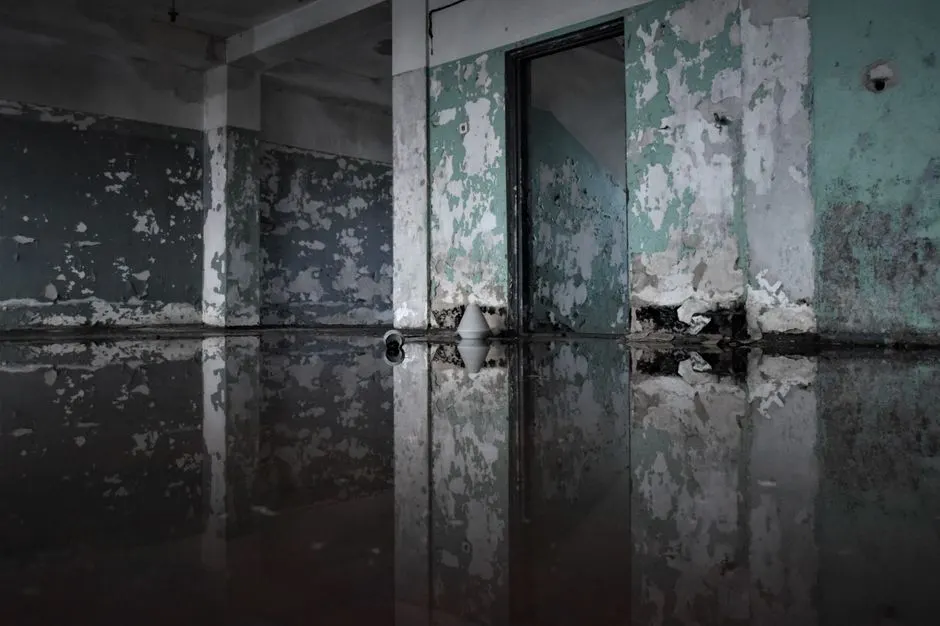
You can dry out a flooded room without a dehumidifier by removing standing water fast, forcing air across every wet surface, heating the room to 75-85°F, and venting humid air outside. In Florida's 70-90% average humidity, that process takes 48-72 hours for a shallow flood and 4-7 days for water that soaked into drywall or subfloor. Below is the exact sequence our technicians use, plus the mistakes that turn a two-day job into a mold claim.
We are Water Damage Pros, and we handle water damage in Florida every week, from Tampa Bay storm surges to Orlando AC pan overflows. This guide covers what you can do today with box fans, towels, and a shop vac, and the point where a professional drying setup saves you money.
Why Florida rooms hold water longer than you expect
Florida rooms hold water longer because the ambient air is already near saturation, so evaporation slows to a crawl. On a typical November afternoon in Tampa or Fort Lauderdale, relative humidity sits between 65% and 85%. Air that wet cannot absorb much more moisture, which is why a room that would dry in a day in Arizona can stay damp for a week here.
Three local factors make it worse:
- Warm temperatures feed mold. Mold spores germinate in 24-48 hours when surfaces stay wet above 70°F. Florida is above 70°F most of the year.
- Concrete block and slab-on-grade construction. Most Florida homes have no basement to drain into, so water wicks sideways into block walls and stays there.
- Afternoon thunderstorms and named storms. A room flooding after a storm in Florida often means water entered through a door threshold, window track, or roof penetration, not just a plumbing leak.
If the flood came from a storm surge or roof breach, the cleanup is more than drying. Our storm damage restoration in Florida team handles the structural side, including roof tarping and wall cavity drying.
Step 1: Stop the water and make the room safe
Stop the water source and cut power to the flooded room before you touch anything else. If the water came from a burst supply line, shut the main valve. If it came from a storm, wait until the rain stops and confirm no live outlets or extension cords are submerged.
Safety checks in order:
- Kill power at the breaker to any circuit serving the wet room.
- Photograph everything before you move it - your insurance adjuster will want those images.
- Wear rubber boots and gloves. Floodwater from outside can carry sewage and bacteria.
- If the water smells like sewage, stop. That is a category 3 loss and needs professional sewage backup cleanup in Florida, not a shop vac.
Once the source is off and the room is safe, you have a 24-48 hour window before mold risk climbs sharply. Everything after this step is about using that window.
Step 2: Remove standing water with what you have
Remove standing water before you try to dry anything, because fans blowing across an inch of water just spread it. A wet/dry shop vac pulls 10-20 gallons before it needs emptying. For larger volumes, a utility pump or a wet vac with a drain hose moves water faster than towels ever will.
What works, ranked by speed:
- Wet/dry shop vac: best for 1-2 inches across a bedroom or hallway.
- Submersible utility pump: best for 3+ inches or a room you cannot reach with a vac.
- Push broom and squeegee: move water toward a floor drain or door.
- Towels and mops: last resort, and only after the bulk water is gone.
Pull up wet area rugs, move furniture onto blocks or foil, and lift curtains off the floor. Every square foot of wet carpet padding you leave down adds a day to the dry time. If the flood covered more than one room or the water was deeper than two inches, professional water extraction in Florida pulls the bulk water in a fraction of the time and gets the subfloor started on drying the same day.
Step 3: Build airflow that actually moves moisture out
Airflow is the single biggest substitute for a dehumidifier, and most people get it wrong by pointing one fan at the floor. You need two things at once: air moving across wet surfaces, and a path for that moist air to leave the room.
Set up a cross-flow pattern:
- Place box fans or floor fans at one end of the room, angled 15-30 degrees toward the wettest surfaces.
- Open a window or door at the opposite end so moist air has an exit.
- Add a second fan at the exit pointing out, if you have one, to pull air through.
- Run the fans 24 hours a day until surfaces read dry to the touch and no damp smell remains.
Ceiling fans help mix air but do not replace floor-level airflow. Aim for at least one fan per 100 square feet of wet floor. If the room has no window, use a box fan in the doorway blowing out and crack a window in the next room to create the pressure path.
In Florida, do not open windows during a rainstorm or when outdoor humidity is above 80%. Run the AC instead and let it act as a whole-house dehumidifier while your fans move air inside.
Step 4: Add heat and ventilation to replace a dehumidifier
Heat raises the air's moisture capacity, which is exactly what a dehumidifier does indirectly. Warm air holds more water vapor, so it pulls moisture out of drywall, wood, and carpet faster. Target 75-85°F in the room - warm enough to speed evaporation, not so hot that you cook the drywall or stress your AC.
How to add heat safely:
- Space heater: one 1,500-watt unit per 150-200 square feet, never left unattended overnight.
- HVAC on heat mode: if your system has it, run the fan continuously with heat set to 78°F.
- AC on cool: in summer, running the AC at 72-75°F with the fan on continuous pulls moisture out of the air and drains it outside.
Pair heat with ventilation. A box fan in a window blowing outward moves 1,000-2,000 cubic feet per minute, which is enough to exchange the air in a 12x12 room every few minutes. That exchange is what keeps humidity from re-settling into your walls.
If you have a portable AC unit, run it in dehumidify mode if available. It is not as strong as a standalone dehumidifier, but it removes 1-2 pints of water per hour, which beats nothing.
Step 5: Pull moisture out of materials, not just the air
Drying the air is only half the job - the water inside drywall, baseboards, and subfloor has to migrate out. Materials release moisture slowly, and in Florida humidity they can reabsorb it from the air if you stop too early.
What to do for each material:
- Drywall: if the paper is soft or the wall is bowed, cut a 12-inch flood cut at the base and let air into the cavity. Drywall that stayed wet more than 48 hours usually needs replacement.
- Baseboards: pry them loose at the bottom and prop them out an inch so air reaches the wall plate.
- Carpet and pad: pull the carpet back and remove the pad. Pad almost never dries in place and is cheap to replace.
- Wood furniture and doors: wipe them down, then set them on blocks with air moving around all sides.
- Concrete slab: this is the slow one. A slab can hold moisture for 5-10 days even with good airflow.
Check progress with a cheap moisture meter ($20-$40 at any hardware store). Readings under 15% on wood and under 1% on concrete mean you are close. If readings stall for 24 hours, you have a hidden water source or a cavity that is not getting air.
For rooms where the water reached the wall cavity or subfloor, our drying and dehumidification in Florida service uses commercial LGR dehumidifiers and air movers that pull 10-20 gallons of water a day out of a room - something no fan-and-heater setup can match.
How long does it take to dry a flooded room in Florida?
A shallow flood - under an inch, clean water, carpet pulled up - dries in 48-72 hours with fans, heat, and ventilation. A deeper flood that soaked drywall or subfloor takes 4-7 days. If the water was contaminated or sat more than 24 hours before you started, add 2-3 days and expect to replace porous materials.
Timeline by scenario:
- Clean water, hard floor, under 1 inch: 24-48 hours.
- Clean water, carpet and pad, under 2 inches: 48-72 hours.
- Clean water, drywall wet above the baseboard: 4-7 days.
- Stormwater or sewage, any depth: 5-10 days and professional cleanup.
Florida's humidity adds roughly a day to every scenario compared to a dry climate. Plan for the longer end and check with a moisture meter before you call it done.
Common mistakes that keep a flooded room wet
The most common mistake is stopping too early - surfaces feel dry while the wall cavity and subfloor are still wet. Here is what we see on almost every call where a homeowner tried to DIY the dry-out.
- Running fans without ventilation. You are just moving humid air in circles.
- Leaving carpet pad down. It holds water like a sponge and grows mold in 24-48 hours.
- Skipping the moisture meter. Touch is not a measurement.
- Opening windows during rain or high humidity. You are pulling more water into the room.
- Not photographing before cleanup. Your insurance claim gets harder without evidence.
- Assuming the AC will handle it. A residential AC removes 5-20 gallons of water a day house-wide, not enough for a flooded room on its own.
One more: do not run a shop vac on sewage water and then use it on clean floors. That cross-contaminates everything it touches.
When to call a professional
Call a professional when the water was contaminated, when it reached the wall cavity or subfloor, or when the room is still damp after 72 hours of your best effort. Those three conditions are where DIY drying fails and mold claims start.
We handle the calls homeowners cannot finish: extracting water from under tile and slab, drying wall cavities with injector mats, and documenting everything for your insurance adjuster. If you are in the Tampa, Orlando, or Miami area and the room has been wet more than a day, our water damage restoration company Florida team can be on-site the same day.
We also work in older neighborhoods where the housing stock makes drying harder. In water damage in St. Petersburg, for example, the 1950s block homes hold moisture in the walls far longer than newer construction, so we bring extra air movers and plan for a longer dry.
Frequently Asked Questions
How to dry out a flooded room without a dehumidifier in Florida?
Remove standing water with a shop vac or pump, then run box fans in a cross-flow pattern with one window open for exhaust. Add heat to reach 75-85°F and run the AC to pull moisture from the air. Expect 48-72 hours for a shallow flood and 4-7 days for a deeper one.
How long does it take to dry a flooded room in Florida?
Most shallow floods dry in 48-72 hours. Water that soaked drywall or subfloor takes 4-7 days. Florida's 70-90% humidity adds about a day to every scenario, so plan for the longer end and verify with a moisture meter before you stop.
Does insurance cover flooded room drying in Florida?
Yes, if the flood came from a covered peril like a burst pipe, appliance failure, or storm-related opening. Standard Florida homeowners policies exclude gradual leaks and outside surface water unless you carry separate flood coverage. Document everything with photos before cleanup starts.
How much does flooded room drying cost in Florida?
Typical 2026 pricing in Florida runs $1,200-$3,500 for a single room, depending on water category, square footage, and how much drywall or flooring has to be removed. Emergency calls after hours run 15-25% higher. Most of that cost goes to equipment, labor, and disposal.
Who to call for flooded room in Florida?
Call a licensed water damage restoration company, not a general handyman. You want a team that extracts water, dries the structure, checks for mold, and documents the loss for your insurer. Water Damage Pros handles all of that across Florida, 24/7.
Get help with water damage in Florida
If the room is still wet after 72 hours, or the water came from a storm or sewage line, call us before mold sets in. We extract, dry, and document the whole job so your insurance claim moves forward without delays.
Call Water Damage Pros at 0001112222 - we answer 24/7 across Florida.