Florida hurricane season water damage preparation checklist
A practical Florida hurricane season water damage preparation checklist: storm-proofing steps, insurance prep, emergency kit, and when to call a pro.
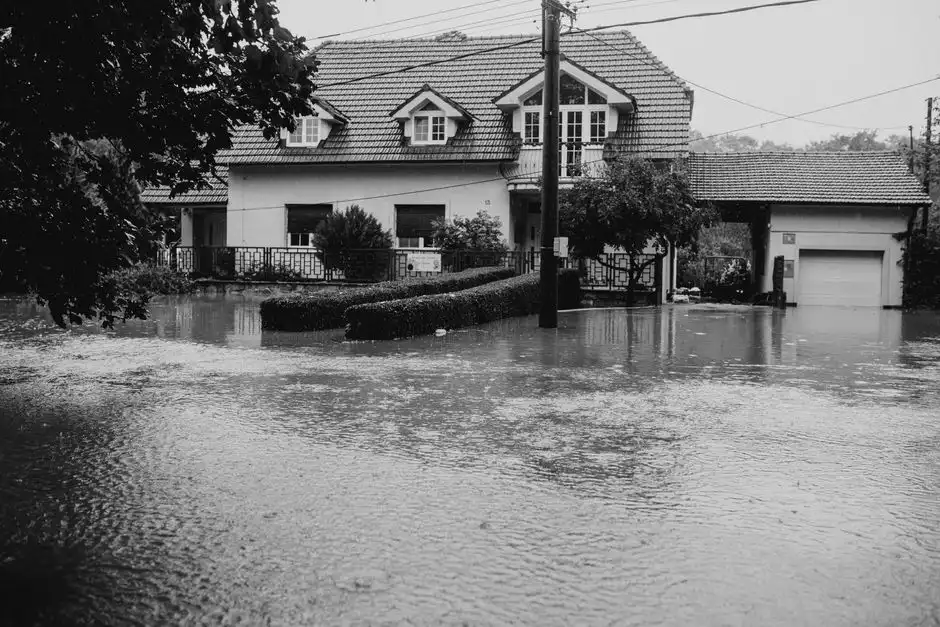
Florida hurricane season water damage preparation is the work you do before a storm makes landfall - sealing openings, clearing drainage, documenting your home, and staging supplies - so that wind-driven rain and storm surge have fewer ways in. The single most effective step is to stop water at the building envelope: roof, windows, doors, and garage. Everything below is the checklist we run through with homeowners across Florida every year.
We will cover when hurricane season actually runs, how to prep the outside and inside of your home, what your insurance needs before the first named storm, and the emergency kit that saves you a 2 a.m. scramble. If you would rather have a crew handle the heavy lifting, our water damage in Florida team is on call through the season.
When is hurricane season in Florida?
Florida hurricane season runs June 1 through November 30, with the statistical peak from mid-August through late October. As of November 2026, we are in the final weeks of the 2026 season, which means now is the right time to inspect what this year's storms did - and to prep for the 2027 season before the first June system forms.
The National Hurricane Center tracks an average of 14 named storms, 7 hurricanes, and 3 major hurricanes per Atlantic season. Florida's exposure is the highest in the country: roughly 1,350 miles of coastline, plus inland flooding from slow-moving systems that stall over the peninsula. A Category 1 storm can dump 10 to 15 inches of rain in 24 hours, and that is the scenario that floods more Florida homes than wind does.
Storm surge is the other half of the equation. A Category 3 landfall can push 9 to 12 feet of surge into coastal neighborhoods, which is why evacuation zones A and B empty out first. If you live in a surge zone, your prep window is shorter than you think - bridges close when sustained winds hit 40 mph, and that happens hours before landfall.
How to prepare for hurricane water damage in Florida
Preparing for hurricane water damage in Florida means hardening the outside of the house first, then the inside, then the yard. Work the list in that order - exterior water entry causes the most damage and is the hardest to fix after the storm passes.
Exterior prep (do this first)
- Clear gutters and downspouts. A single clogged downspout can push 50+ gallons of water against your foundation in an hour. Extend discharge lines at least 6 feet from the slab.
- Check roof flashing and ridge caps. Loose shingles and lifted flashing are the number-one source of ceiling leaks during a storm. A tube of roofing sealant costs $12 and buys you hours.
- Seal window and door frames. Caulk gaps wider than 1/8 inch. Install storm shutters or pre-cut 5/8-inch plywood panels labeled by window.
- Sandbag low openings. Garage doors, sliding doors, and basement walkouts. Stack bags in a pyramid, not a wall - pyramids hold.
- Trim trees back 10 feet from the roof. A limb through a window is a 200-gallon-per-hour water entry point.
- Photograph everything. Walk the exterior with your phone and shoot every wall, window, and roofline. Date-stamped photos settle claims.
Interior prep
- Move electronics and valuables off the floor. Two feet minimum. Surge flooding rarely exceeds 18 inches inside a home, but that is enough to total a laptop.
- Unplug appliances in flood-prone rooms. Washer, dryer, water heater, and garage freezer.
- Shut off the main water line if you are evacuating. A broken supply line during a storm turns a wind claim into a flood claim.
- Clear floor drains and check your sump pump. Pour a bucket of water down the drain and confirm the pump kicks on within 10 seconds.
- Photograph every room. Open closets, cabinets, and the garage. Insurers want to see contents, not just structure.
Yard and drainage
Walk your property and find the low spot. If water pools within 10 feet of the foundation after a normal afternoon storm, it will reach the slab during a hurricane. Regrade the soil so it slopes away at roughly 6 inches of drop over the first 10 feet. Clear French drains, pop-up emitters, and any swale the county maintains - a blocked swale backs water into the yard and then into the house.
If you have a crawl space, this is the week to check the vapor barrier and any vents. Standing water under the house is the fastest route to warped floors and mold. Our crawl space water damage in Florida crew handles encapsulation and post-storm drying for exactly this reason.
Florida hurricane water damage insurance preparation
Florida hurricane water damage insurance preparation is where most homeowners lose money - not because coverage is missing, but because the paperwork is. Standard Florida homeowners policies cover wind-driven rain damage, but flood damage from rising water requires a separate NFIP or private flood policy, and that policy has a 30-day waiting period. If a storm is named and headed your way, it is already too late to buy flood coverage for that event.
Do this before June 1:
- Pull your declarations page and confirm your hurricane deductible. In Florida it is typically 2% of the dwelling coverage - on a $400,000 home, that is an $8,000 out-of-pocket before the insurer pays a dollar.
- Confirm whether you carry flood coverage. Roughly 20% of Florida flood claims come from properties outside FEMA high-risk zones.
- Video every room, the attic, and the garage. Narrate what you are filming. Store the file in cloud storage, not on your phone.
- Keep receipts for any pre-season work - roof straps, shutters, sump pumps. Some carriers discount premiums for documented mitigation.
- Save your insurer's claims number and your policy number somewhere that does not require power or Wi-Fi.
After the storm, call your insurer before you call a contractor. Most policies require you to report damage within a reasonable window, and adjusters are booked out for weeks after a major landfall. Document everything with photos before you move a single wet item.
Emergency water damage kit for Florida hurricane season
An emergency water damage kit for Florida hurricane season should fit in one plastic tote and be stored above the flood line - a high closet shelf, not the garage floor. Build it once and it lasts for years.
- Two 6-mil plastic tarps (20x30 feet) and a roll of 2-inch painter's tape for temporary roof and window patches
- One wet/dry shop vac with a 12-gallon tank and a spare filter
- Four box fans and one dehumidifier rated for 50 pints per day
- Nitrile gloves, N95 masks, and rubber boots for every adult in the house
- Two flashlights, a battery bank, and a hand-crank weather radio
- Five gallons of drinking water per person and a three-day food supply
- A printed copy of your insurance declarations page and policy number
If water does get in, the first 24 to 48 hours decide whether you are looking at a dry-out or a full rebuild. Mold can begin colonizing wet drywall in 24 to 48 hours in Florida's humidity, and the interior of a closed-up house can sit at 85% relative humidity even with the AC running. That is why we tell every client: get air moving and get the water out before you start sorting belongings.
For storm-driven water that has already breached the walls, our storm damage restoration in Florida team handles extraction, structural drying, and the rebuild in one pass. If the storm has passed and you are standing in water, emergency water removal in Florida is the first call - not the second.
What to watch out for
The mistakes we see most often after a Florida hurricane are not dramatic - they are small decisions made in the first 24 hours that turn a $3,000 dry-out into a $30,000 rebuild.
- Waiting for the power to come back before you act. Water does not wait for the grid. Start extraction with a shop vac and fans immediately.
- Running the AC to "dry things out." A standard AC unit removes some humidity but cannot keep up with saturated drywall. You need dedicated dehumidification.
- Pulling up wet carpet and tossing it. Photograph it first. Adjusters want to see the condition, not just the replacement receipt.
- Walking into a flooded room with the breaker on. If water is above the outlets, kill the main breaker before you step in.
- Assuming the smell means it is dry. Musty odor means active mold. By the time you smell it, colonies are already established.
- Hiring the first truck that knocks. Post-storm price gouging is real. Ask for a written scope and a Florida state license number before anyone starts work.
One more: do not stack wet belongings in the garage and forget them. Cardboard, fabric, and paper wick moisture into the walls they touch. Get them outside or into a dry, ventilated space within a day.
When to call a professional
Call a professional when water has reached the drywall, the subfloor, or the crawl space - or when more than 24 hours have passed since the water entered. Those are the three conditions where a shop vac and a box fan stop being enough.
Here is the rule we give homeowners: if the wet area is larger than 10 square feet, if you can see water wicking up the drywall above the baseboard, or if the water came from outside the house (storm surge, roof breach, sewer backup), call us. We use thermal imaging and pin-type moisture meters to find water you cannot see, and we dry to a documented standard rather than a guess.
Water Damage Pros handles hurricane water damage restoration in Florida from emergency extraction through final rebuild. We work directly with your insurance adjuster, we document everything with photos and moisture readings, and we tell you upfront what the job costs before we start.
Frequently Asked Questions
How do I prepare for hurricane season water damage in Florida?
Seal the building envelope first: clear gutters, secure roof flashing, caulk window and door frames, and stage sandbags at low openings. Then move valuables up two feet, shut off the main water line if you evacuate, and photograph every room. Build a kit with tarps, a shop vac, fans, and a dehumidifier before June 1.
What is a hurricane water damage checklist for Florida?
A Florida hurricane water damage checklist covers four phases: exterior hardening (roof, windows, drainage), interior prep (elevate, unplug, shut off water), insurance prep (declarations page, flood policy, video inventory), and an emergency kit with extraction and drying equipment. Run it in that order starting in May.
Does insurance cover hurricane water damage in Florida?
Wind-driven rain damage is covered under standard Florida homeowners policies, subject to your hurricane deductible - typically 2% of dwelling coverage. Rising flood water requires a separate NFIP or private flood policy, which has a 30-day waiting period. Sewer backup usually needs a rider. Document everything before you move it.
When is hurricane season in Florida?
Florida hurricane season runs June 1 through November 30 each year, with the peak from mid-August through late October. The Atlantic basin averages 14 named storms, 7 hurricanes, and 3 major hurricanes per season. Prep work should be finished by late May.
Who do I call for hurricane water damage in Florida?
Call a licensed water damage restoration company that handles extraction, structural drying, and insurance documentation in one job. Water Damage Pros serves homeowners across Florida with 24/7 emergency response. Call 0001112222 and we will have a crew moving toward you the same day.
Get help with water damage in Florida
If a storm has already pushed water into your home, the clock is running - mold starts within 24 to 48 hours. Call Water Damage Pros at 0001112222 and we will extract the water, dry the structure, and document the loss for your insurer.